From Gold Watches to Hospital Bands: Research into Aging, Independence, and the Myth of Retirement
Role: Researcher (Collaborative) | Methods: Intercept Interviews, Informational Meetings, In-Depth Interviews, Visual design and photography
The Problem
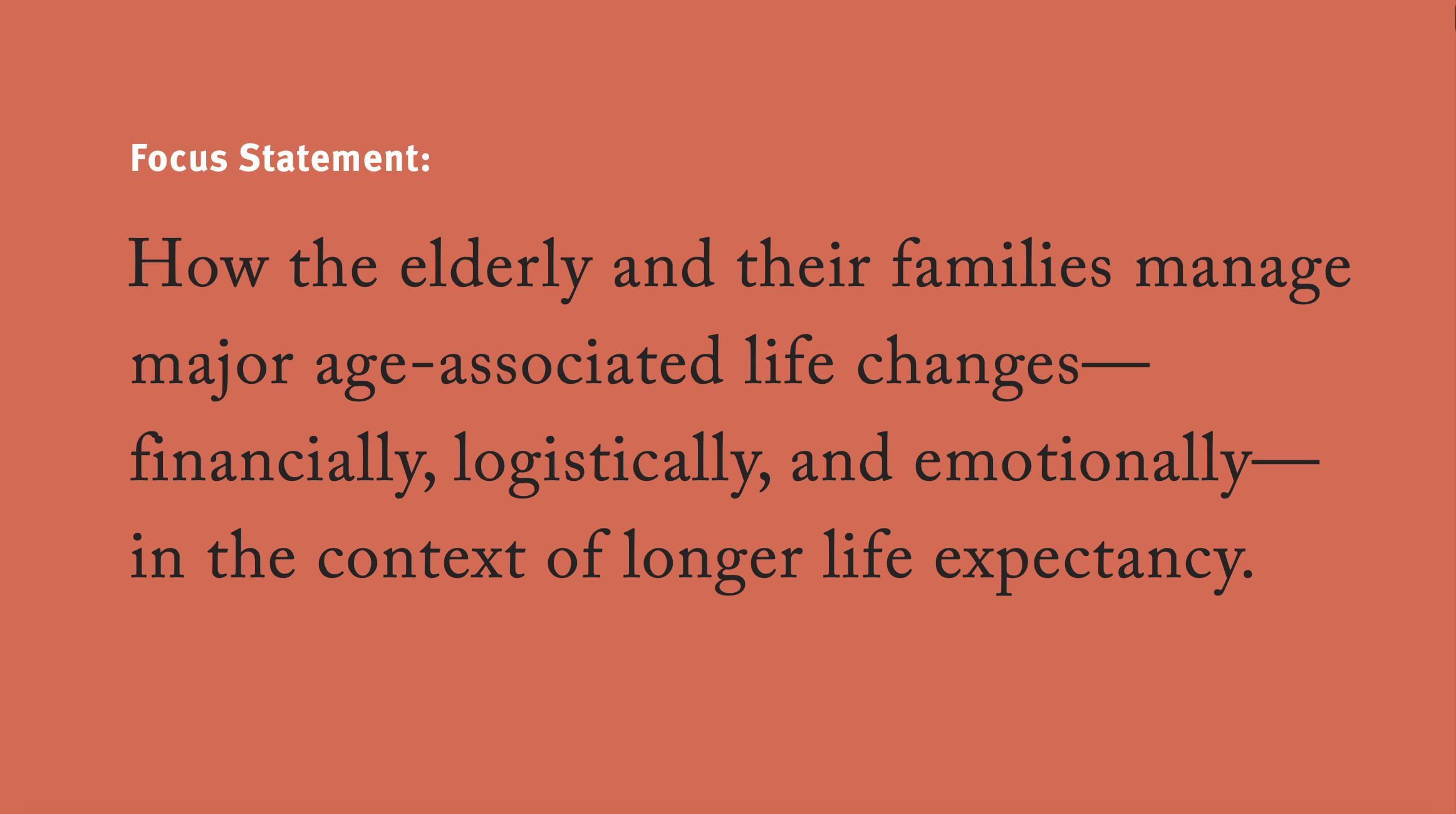
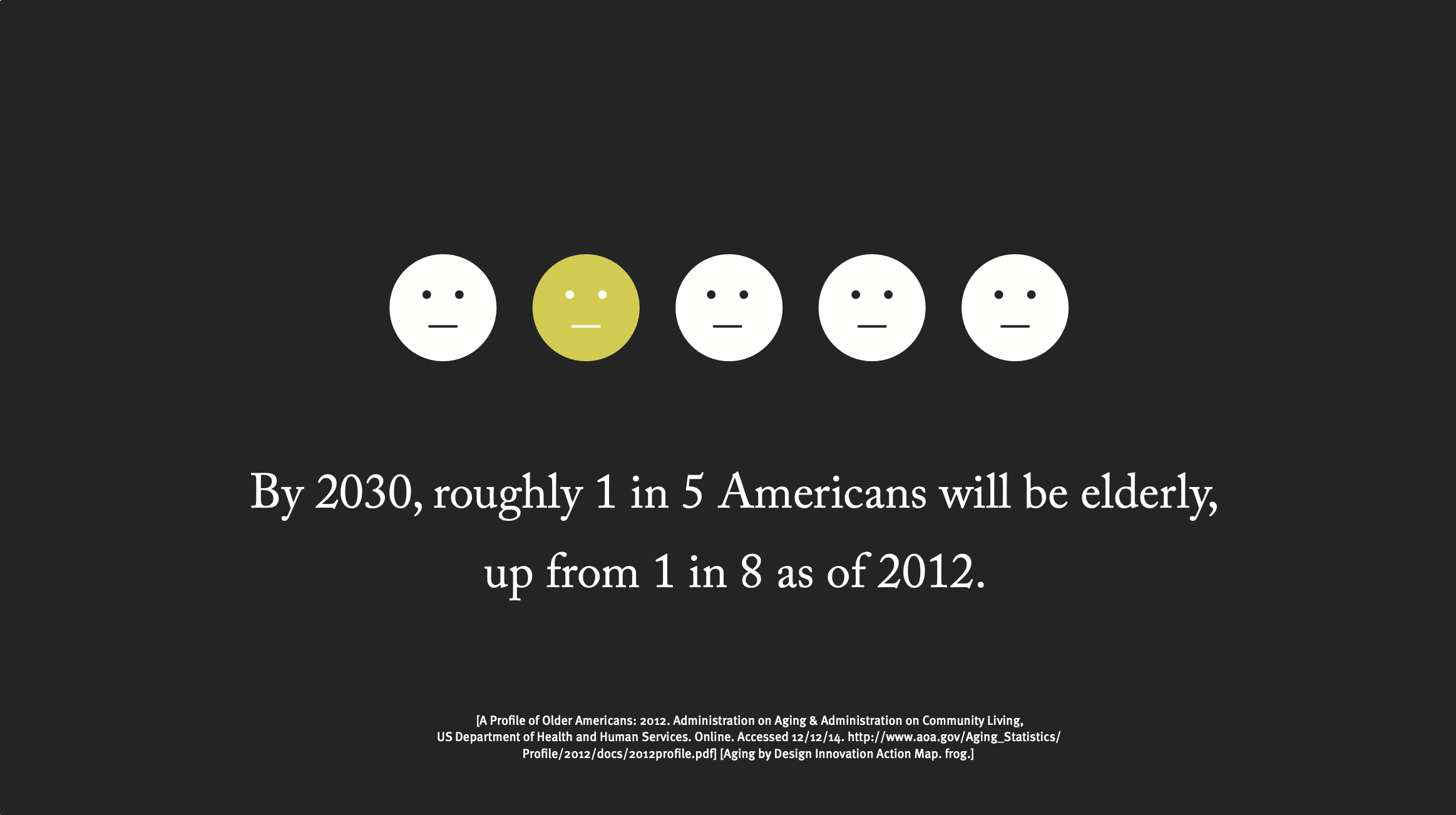
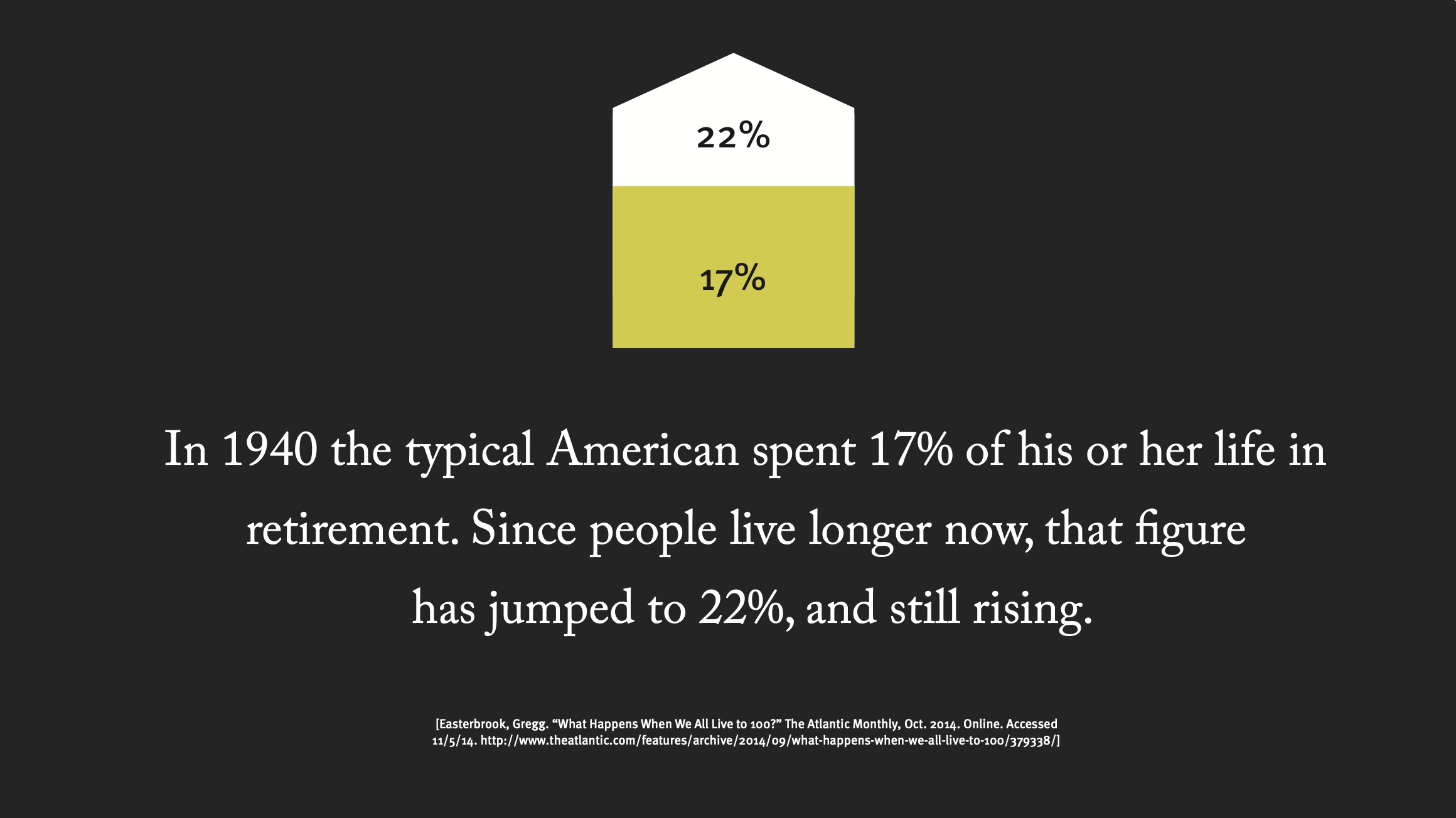
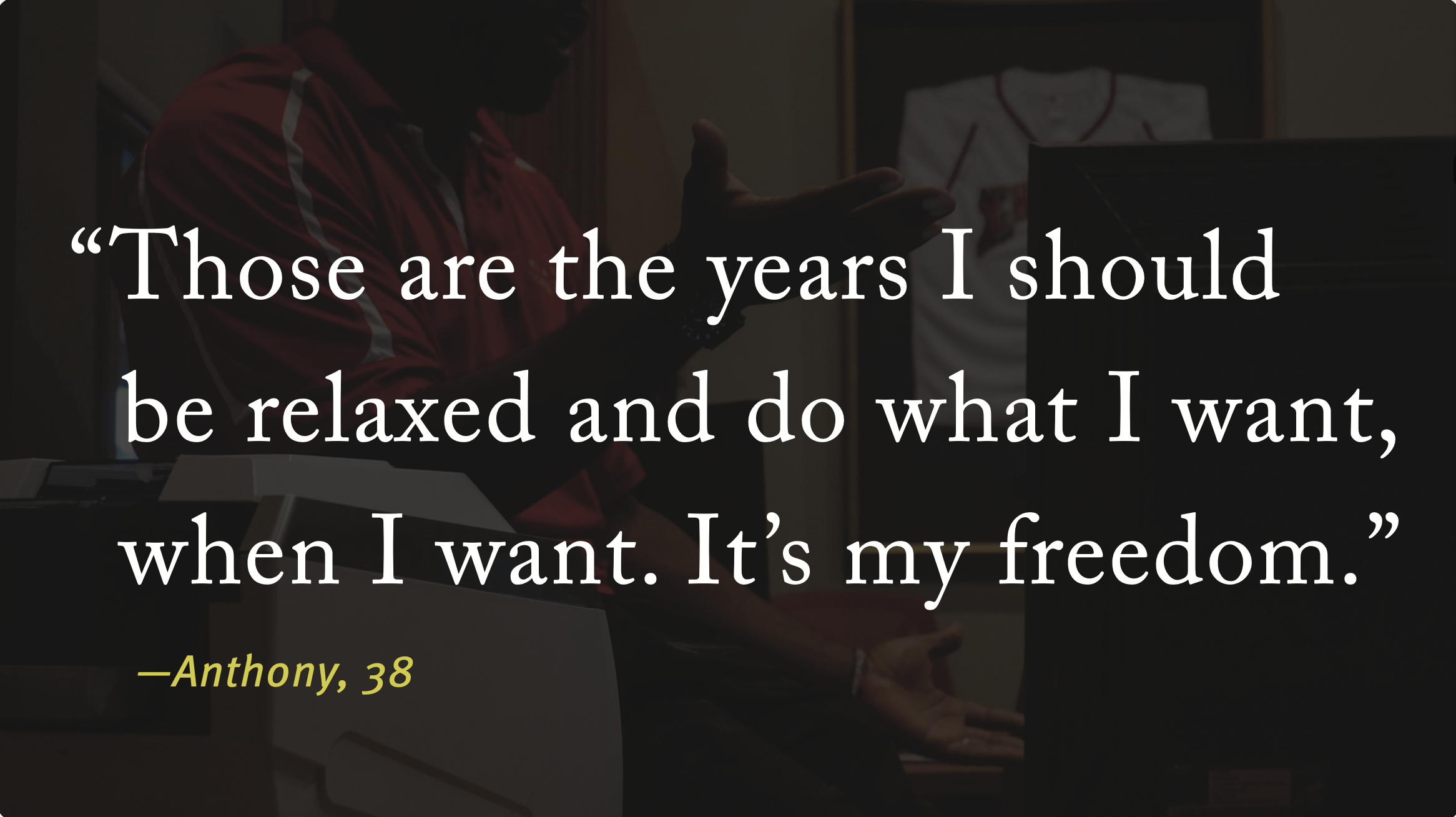
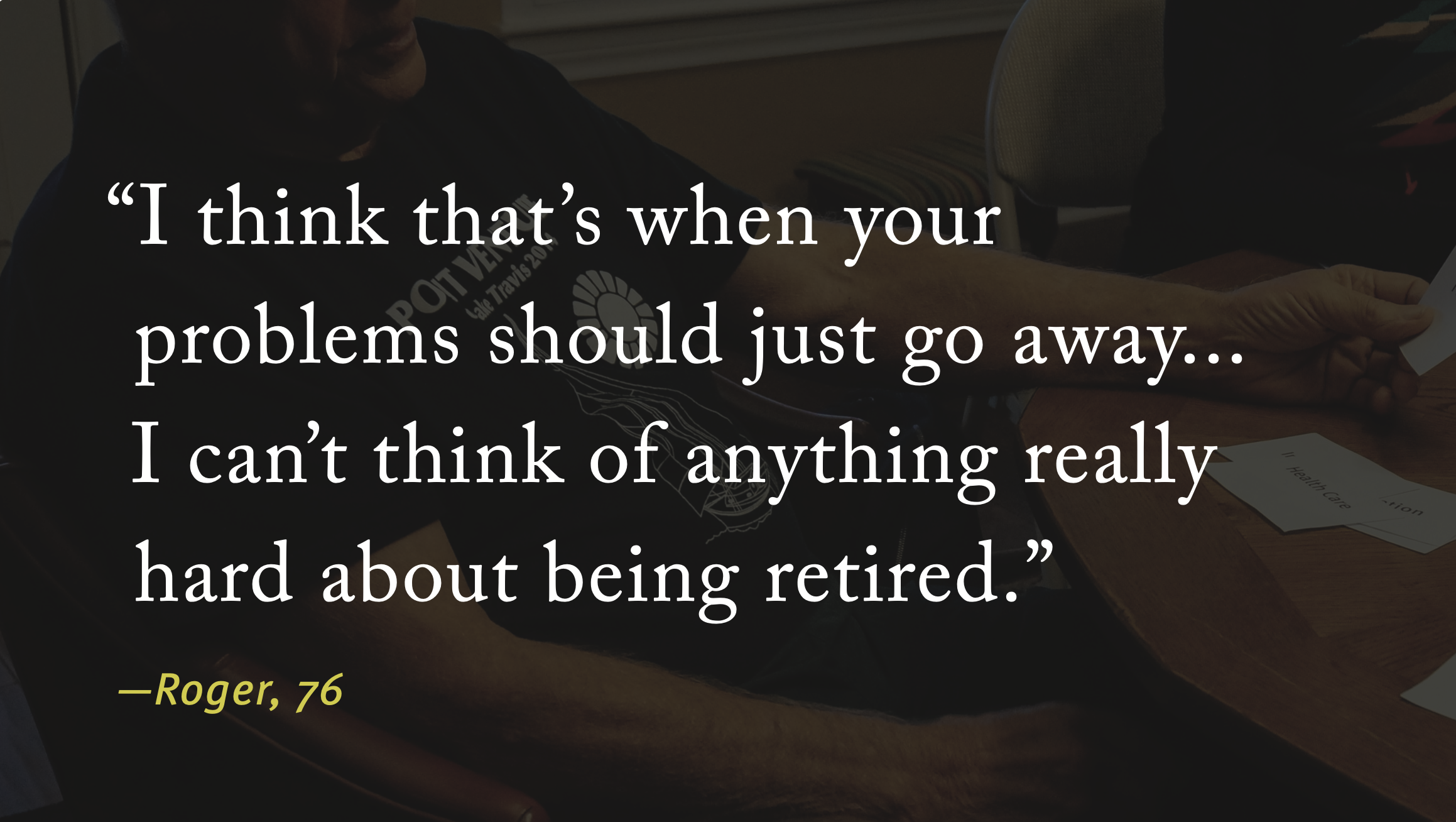
Retirement is one of the most significant life transitions a person can face — and one of the least honestly discussed. Cultural narratives promise freedom, relaxation, and reward after decades of work. But the reality for many aging adults is far more complicated: shifting identities, financial anxiety, physical deterioration, and a deep fear of becoming a burden. This collaborative research project set out to understand how elderly individuals and their families actually navigate the later years — financially, logistically, and emotionally — against a backdrop of longer life expectancy and changing social structures.
















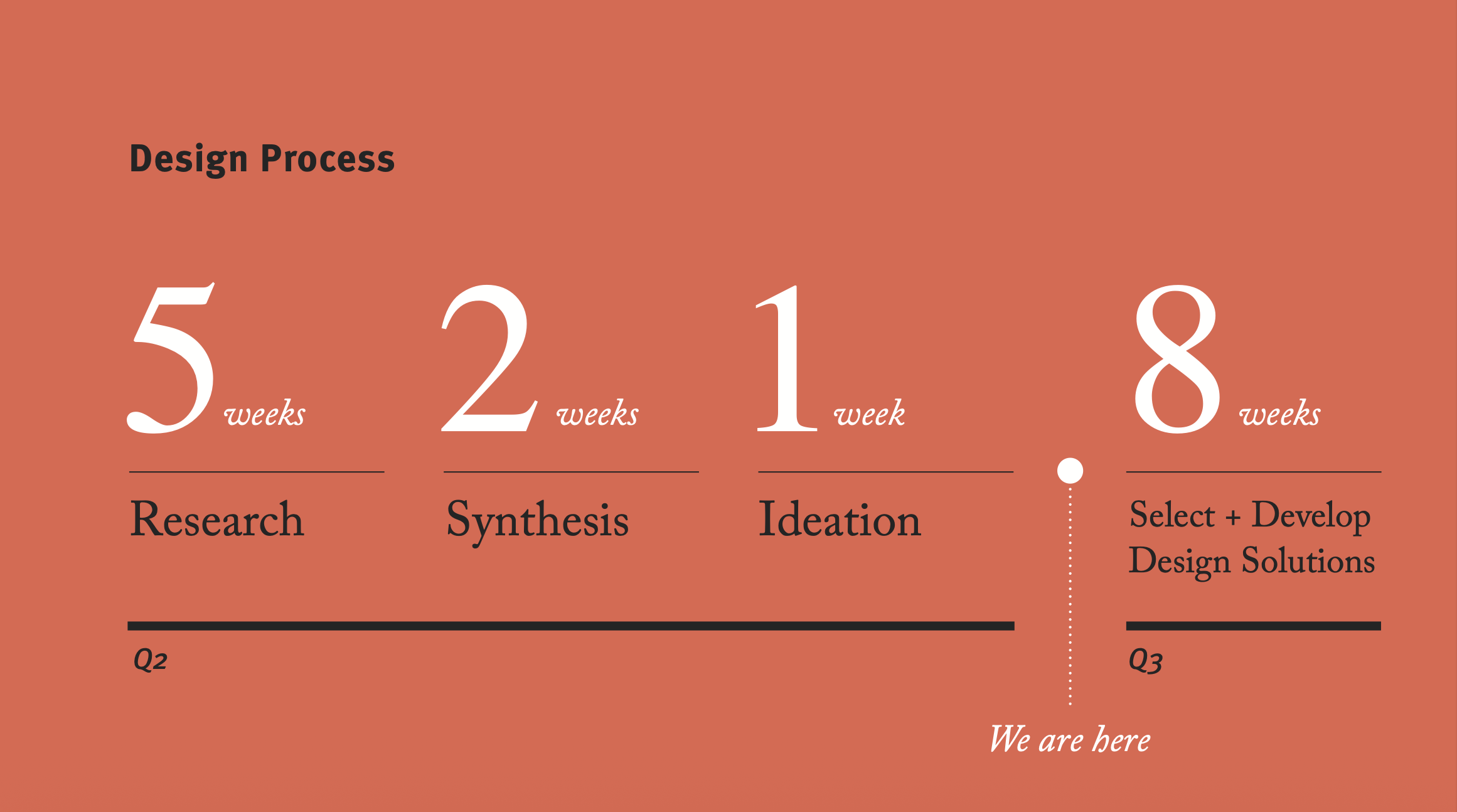

Research
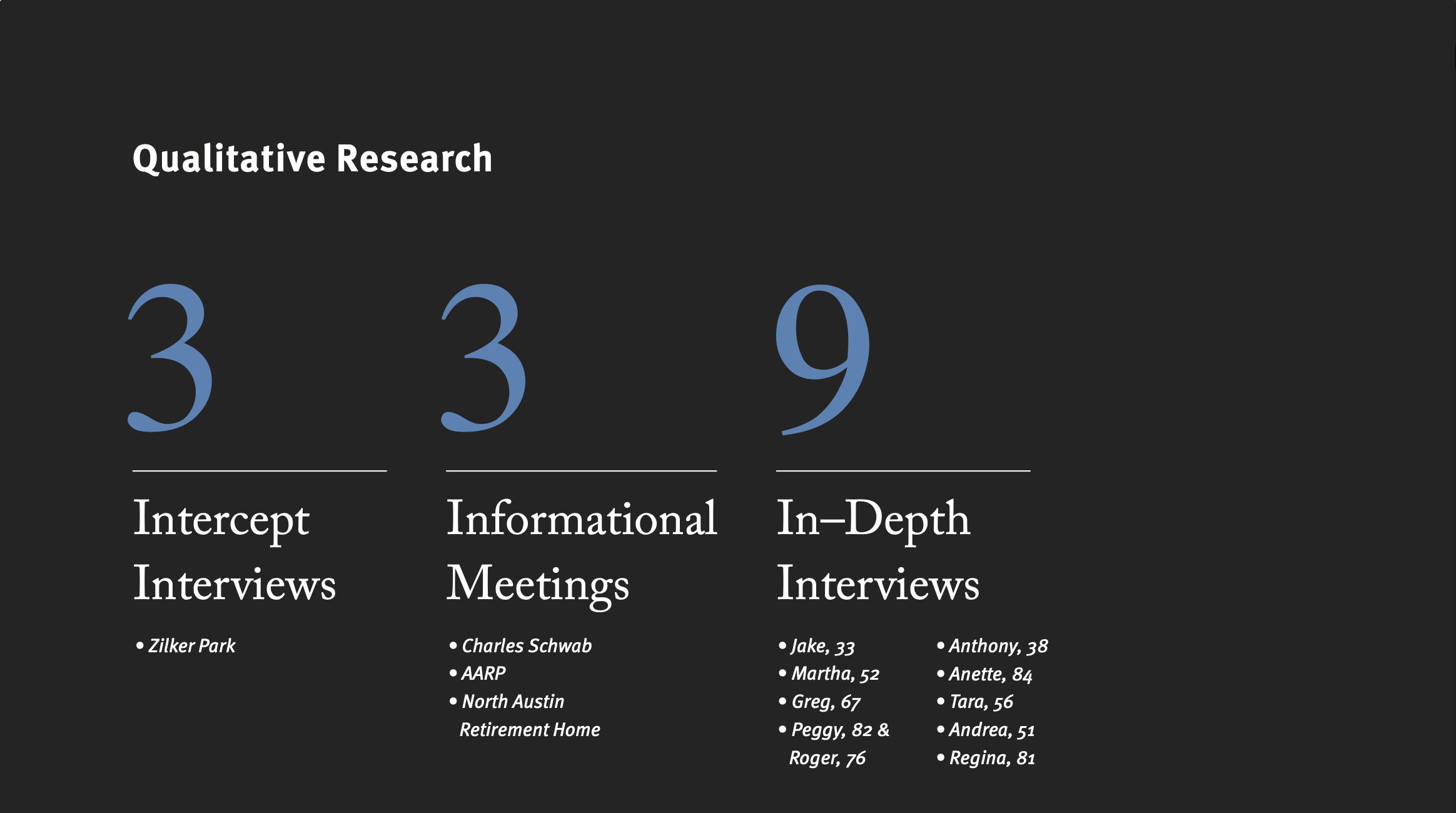
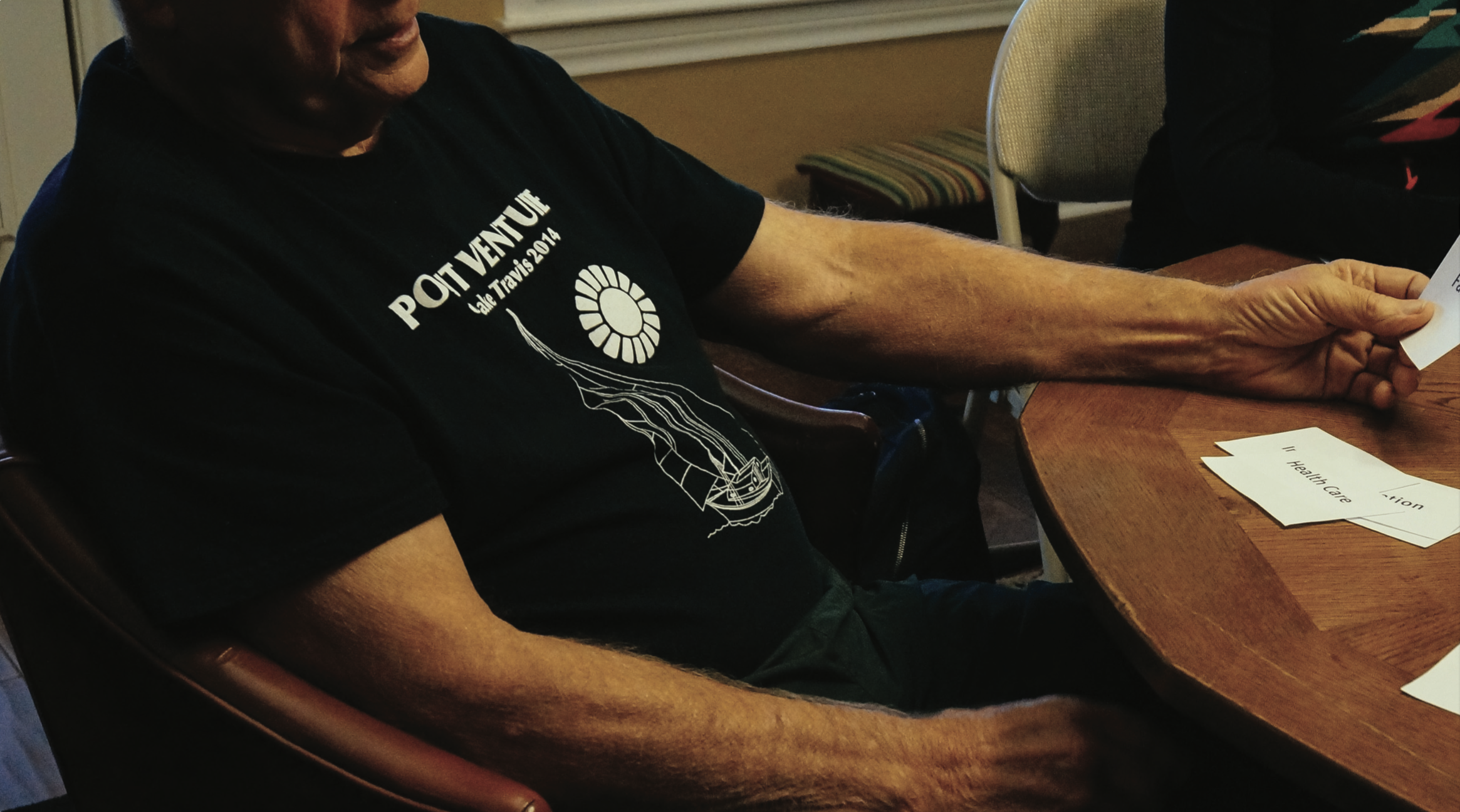
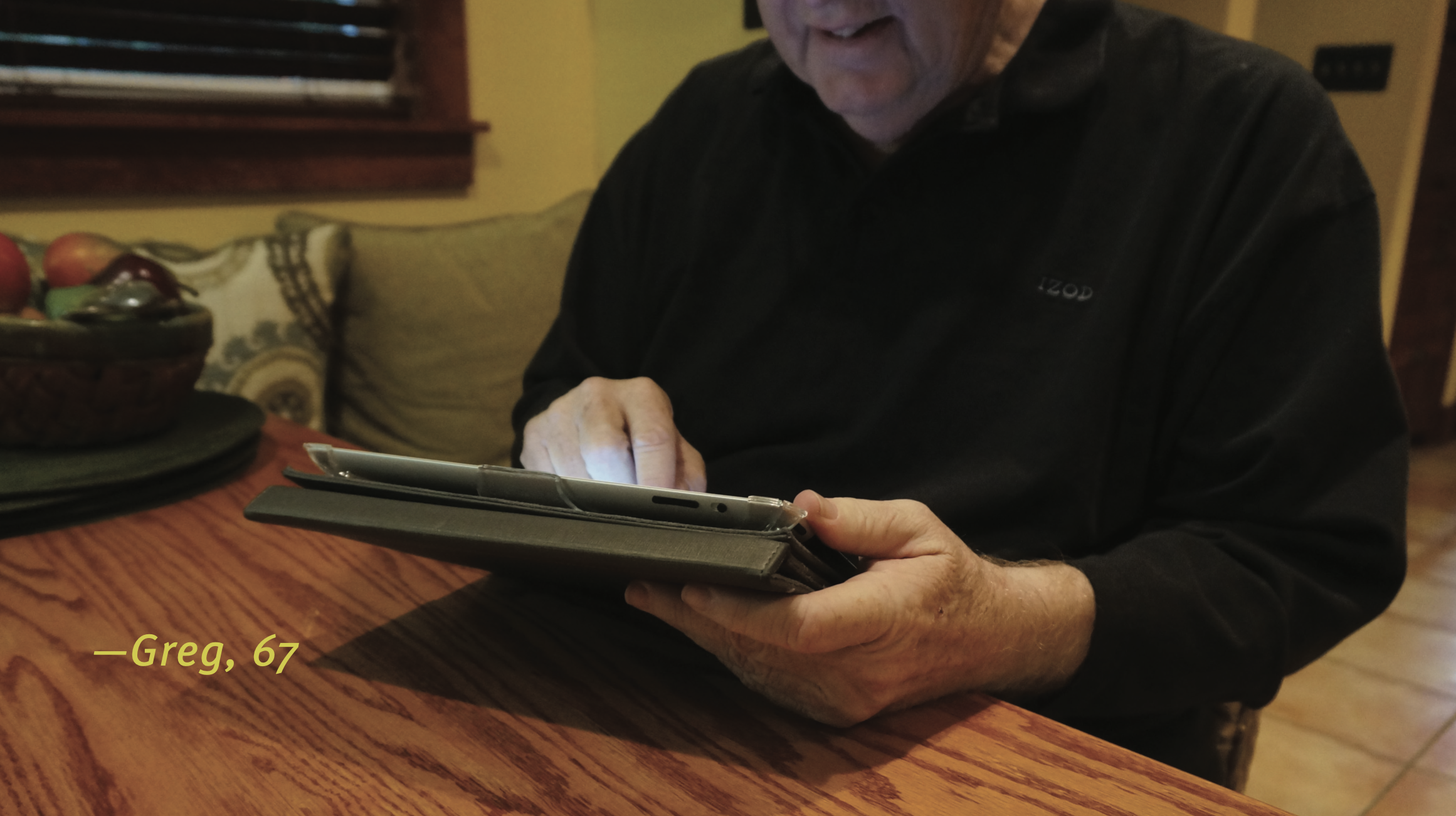
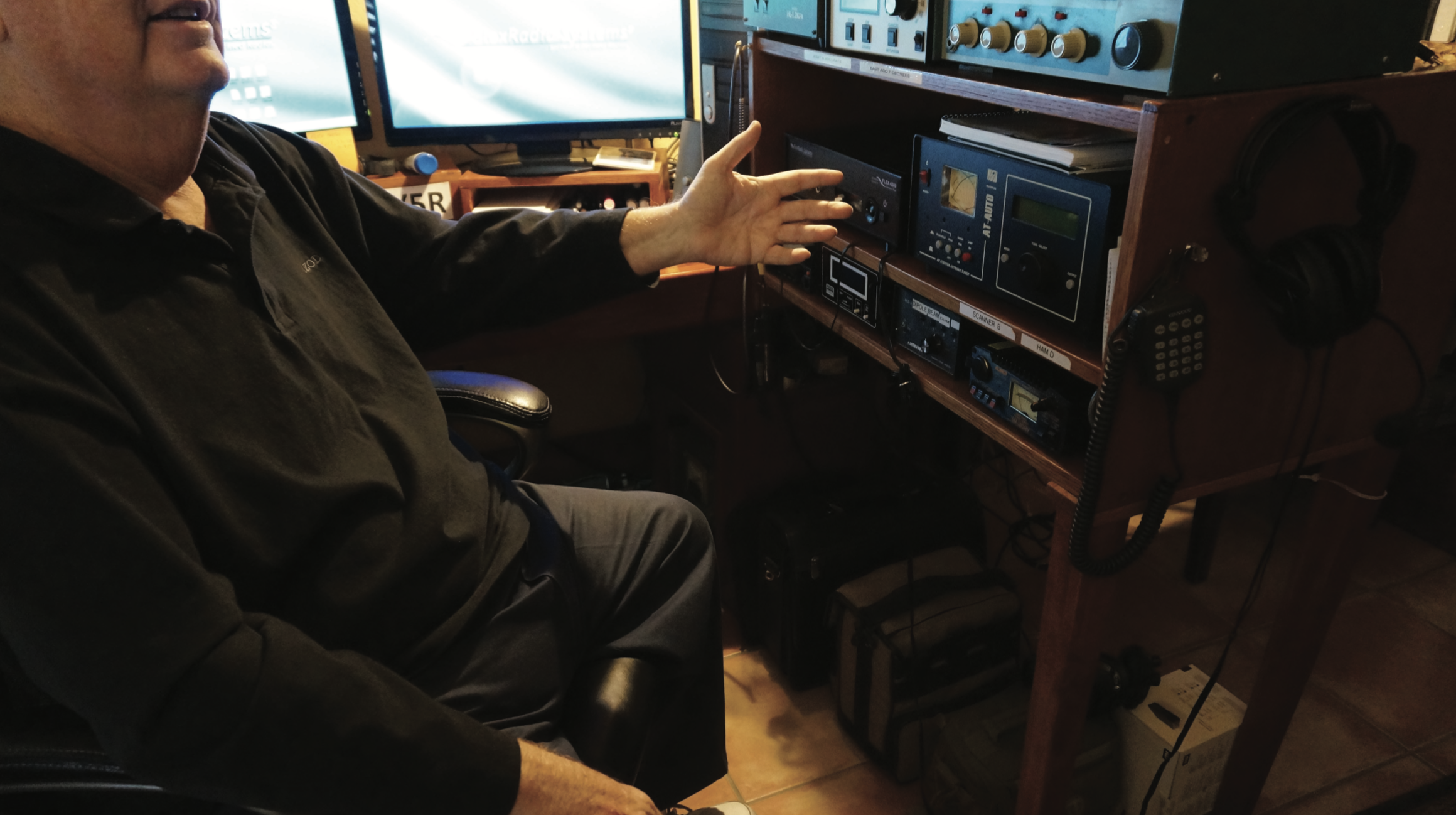
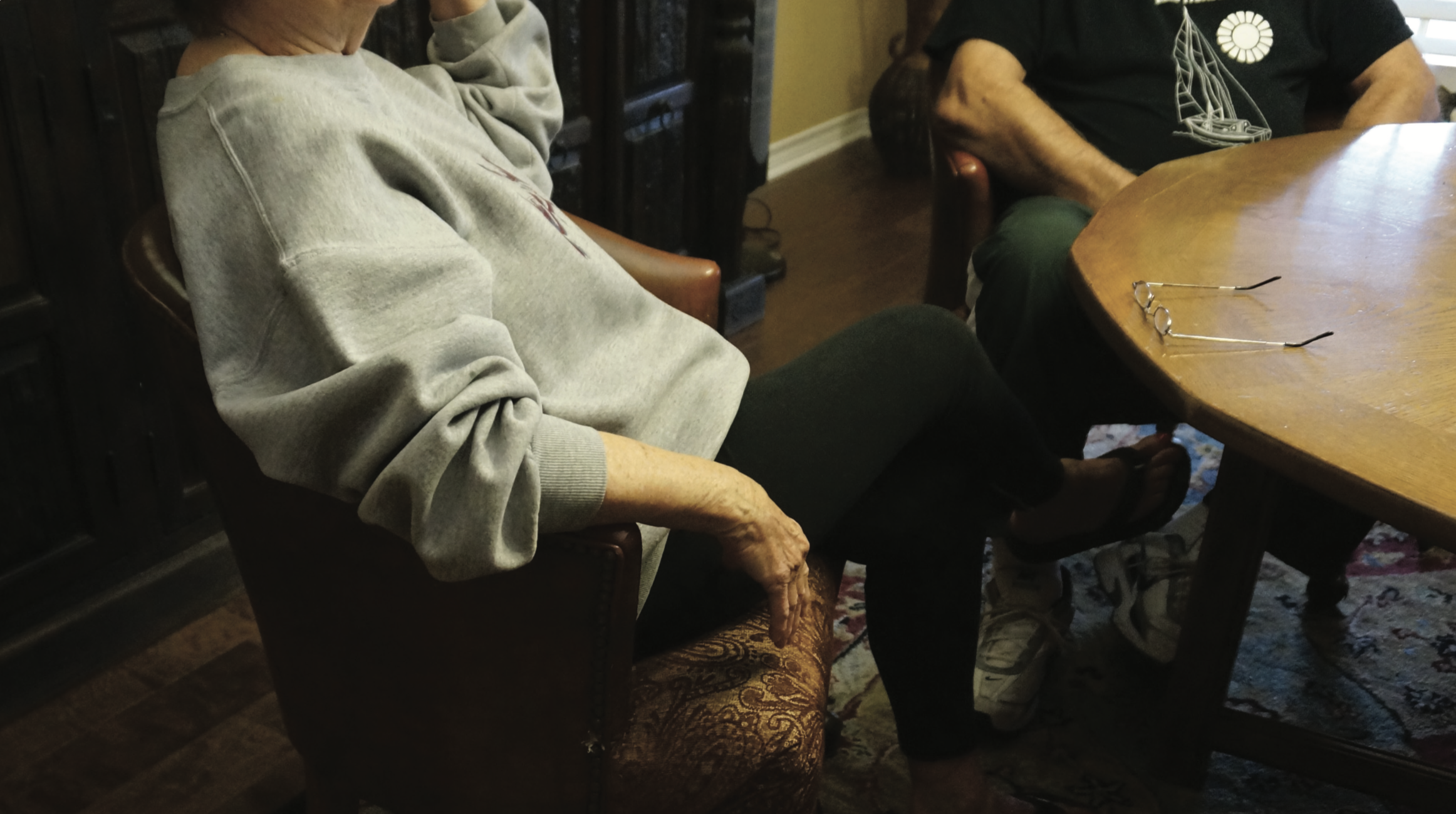
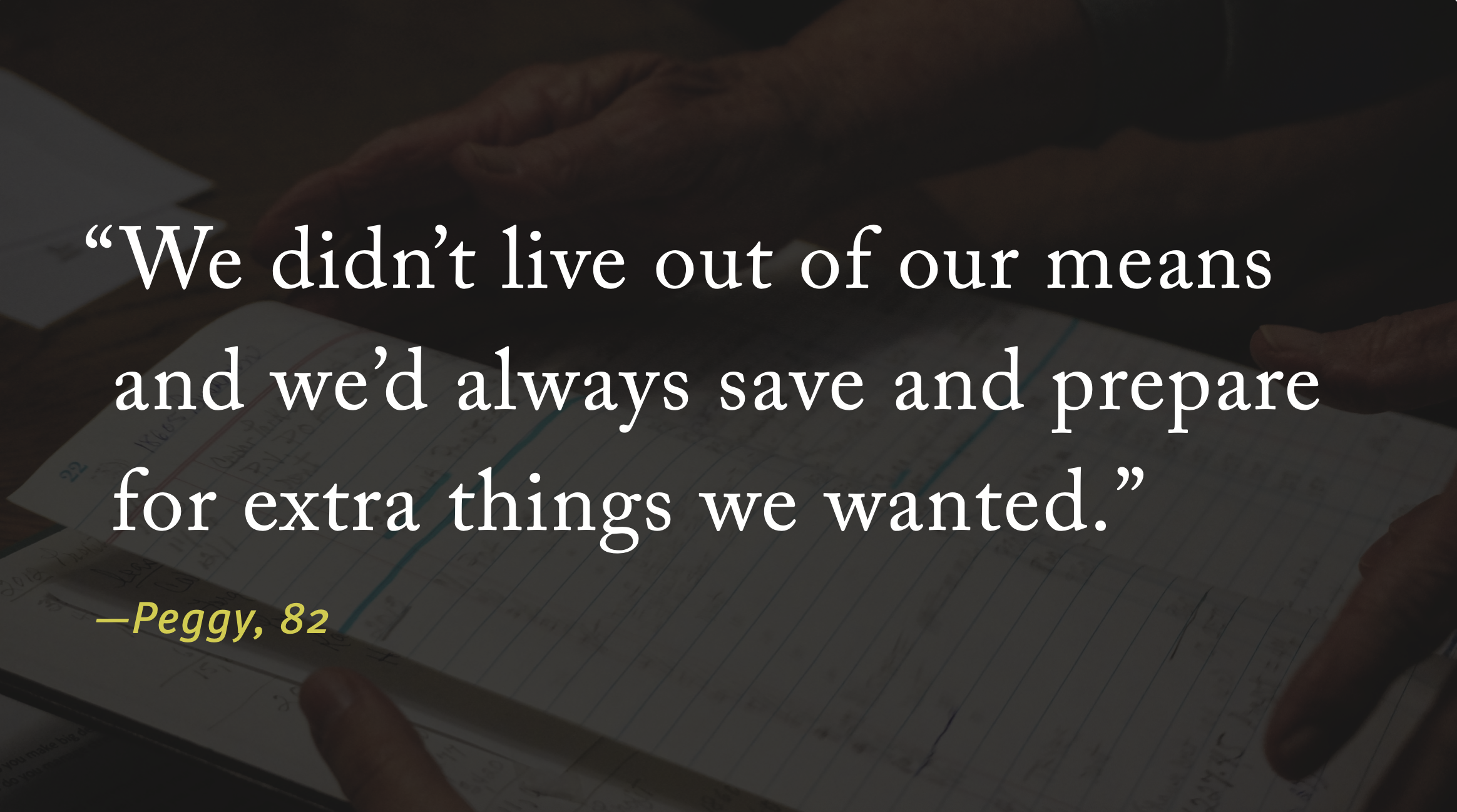
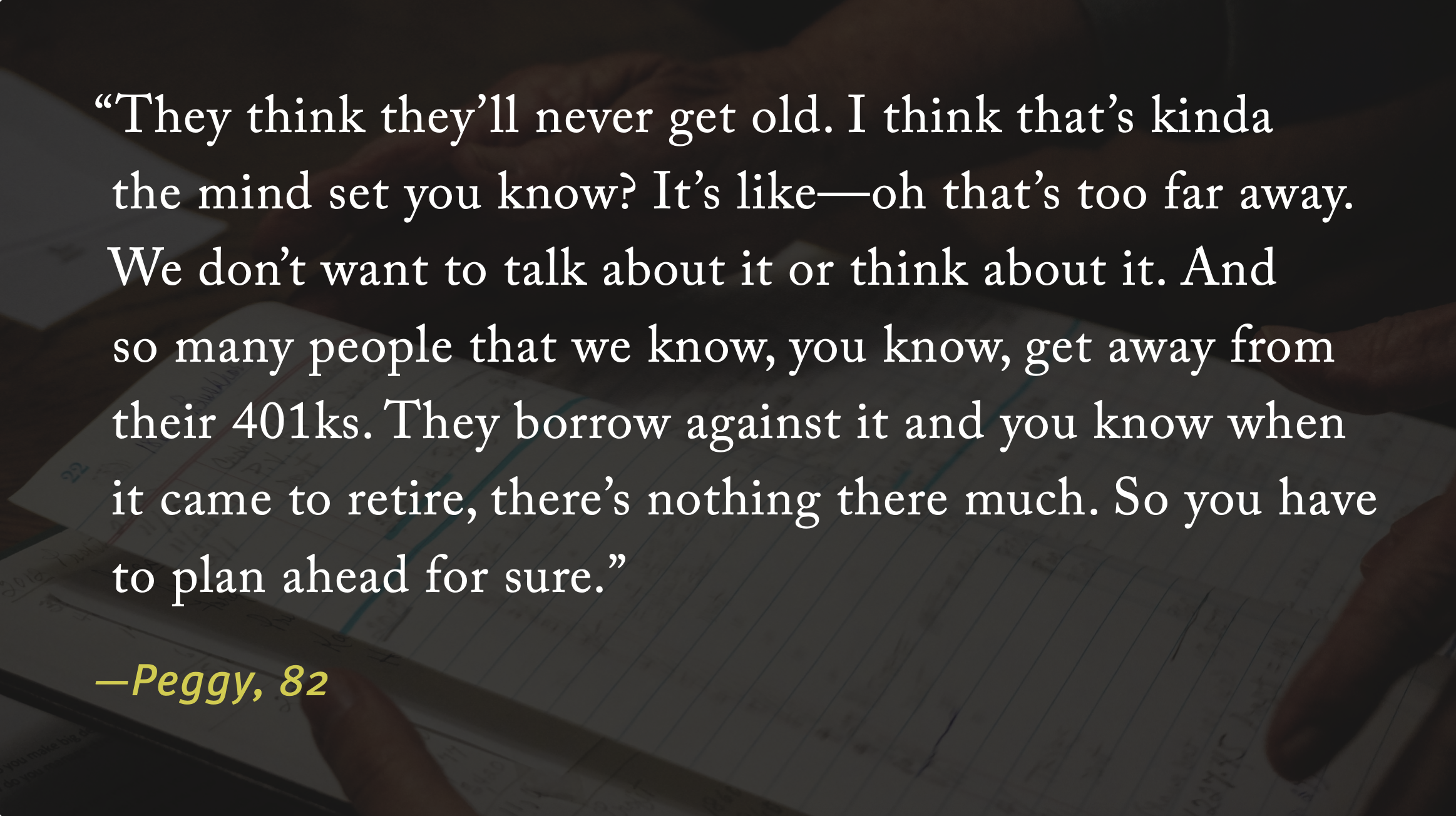
We conducted intercept interviews, informational meetings with organizations including Charles Schwab and AARP, and nine in-depth interviews with participants aged 33 to 84 — spanning people approaching retirement, living it, and adult children managing aging parents.
Insights
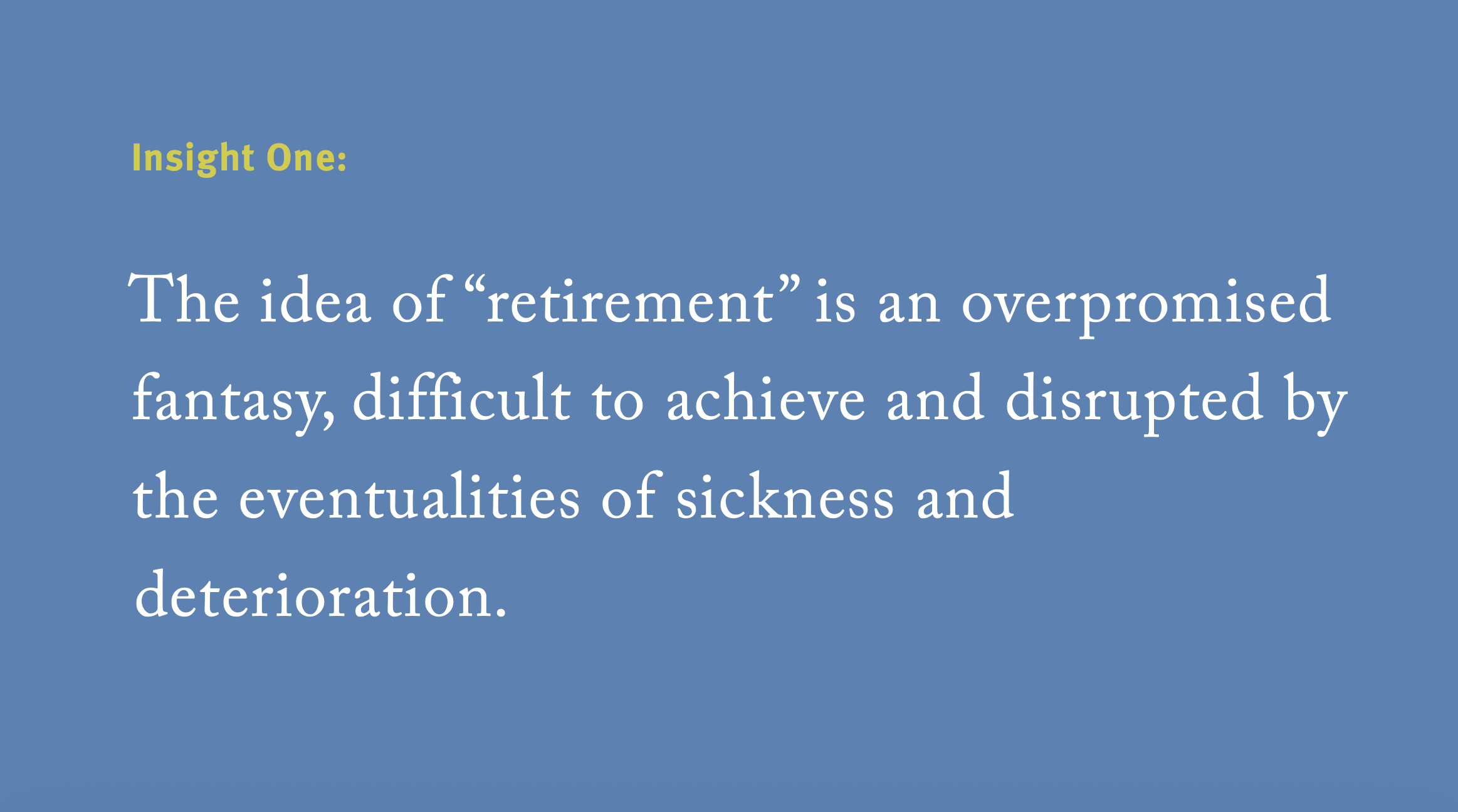
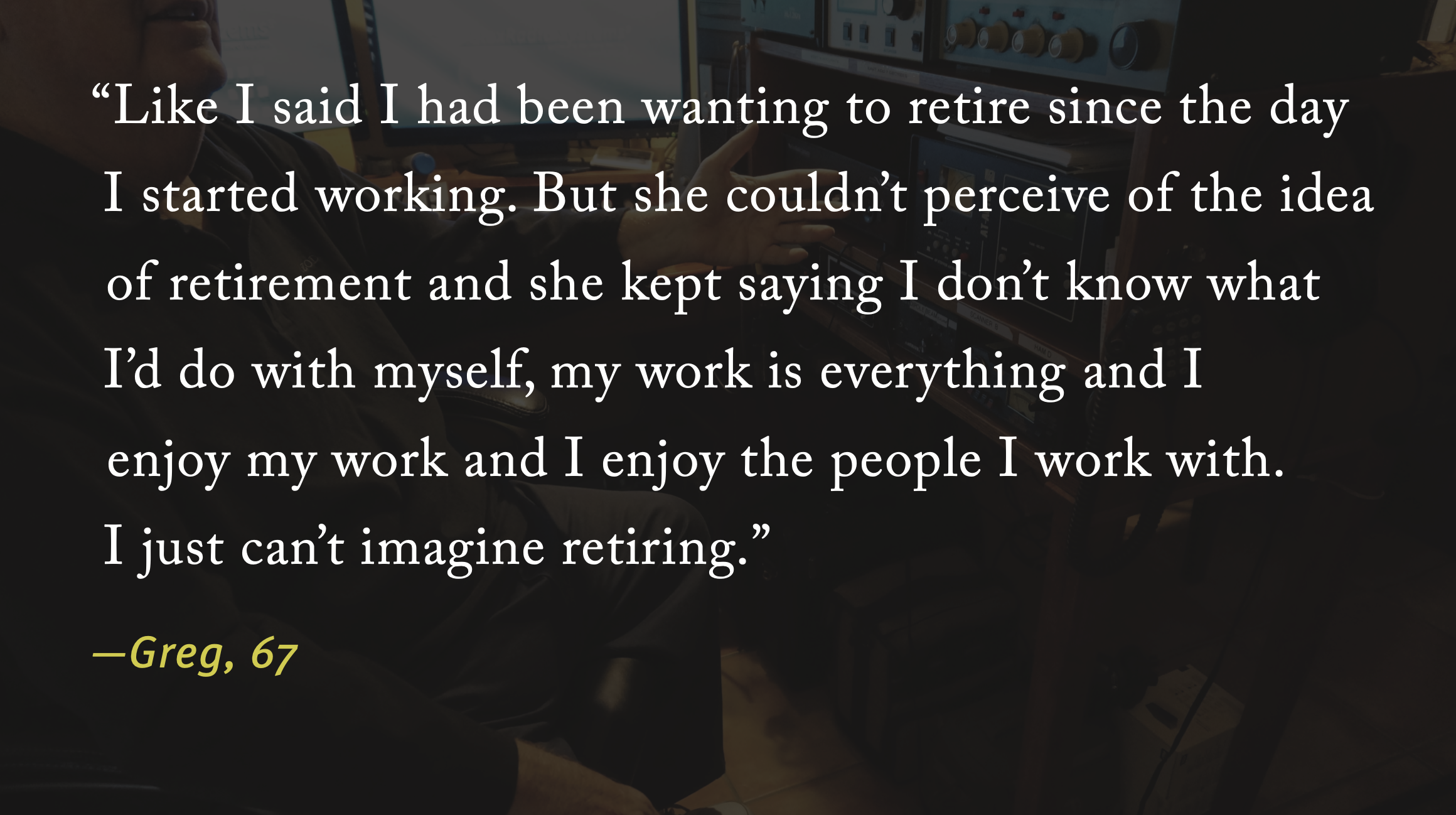
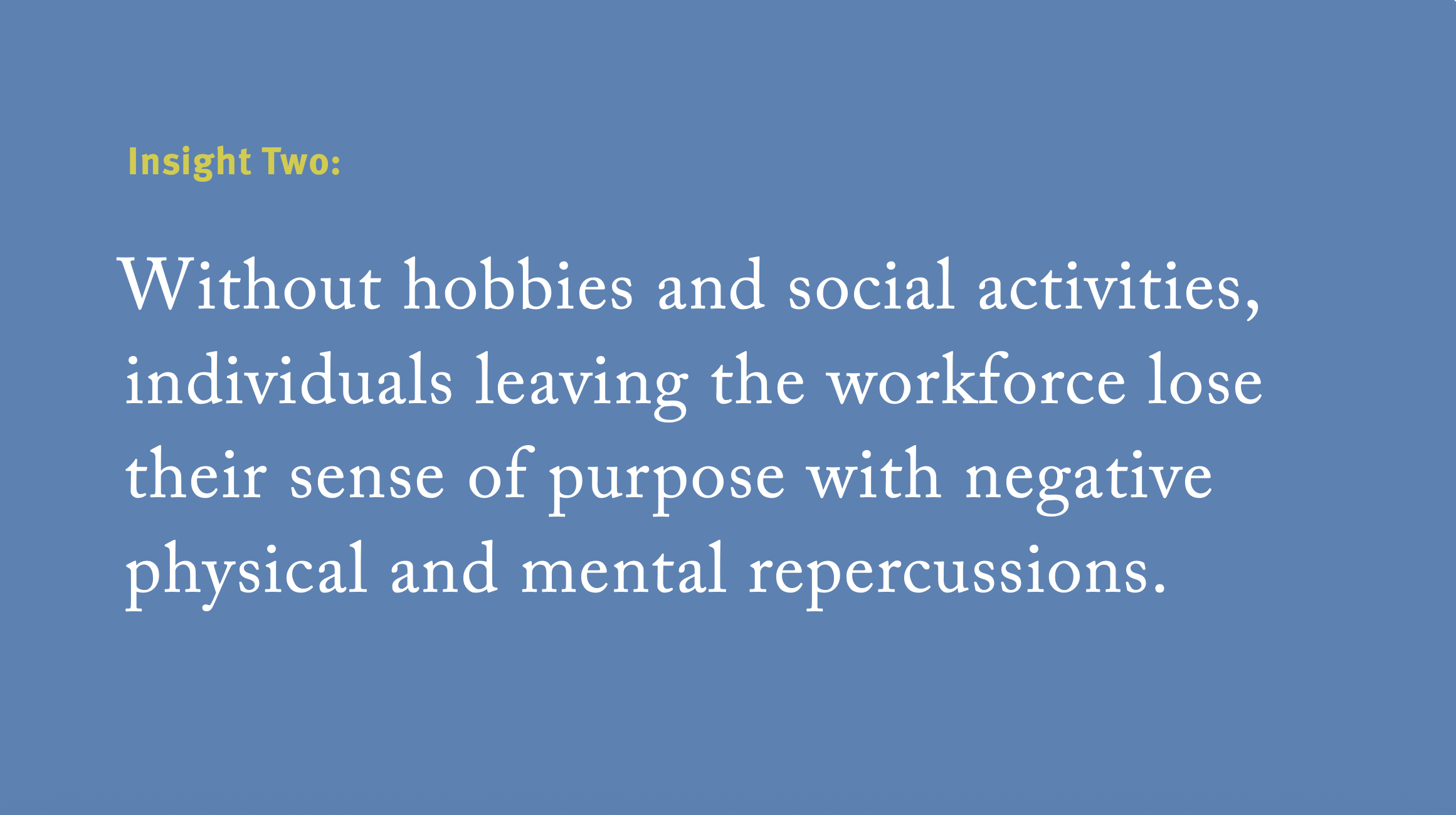
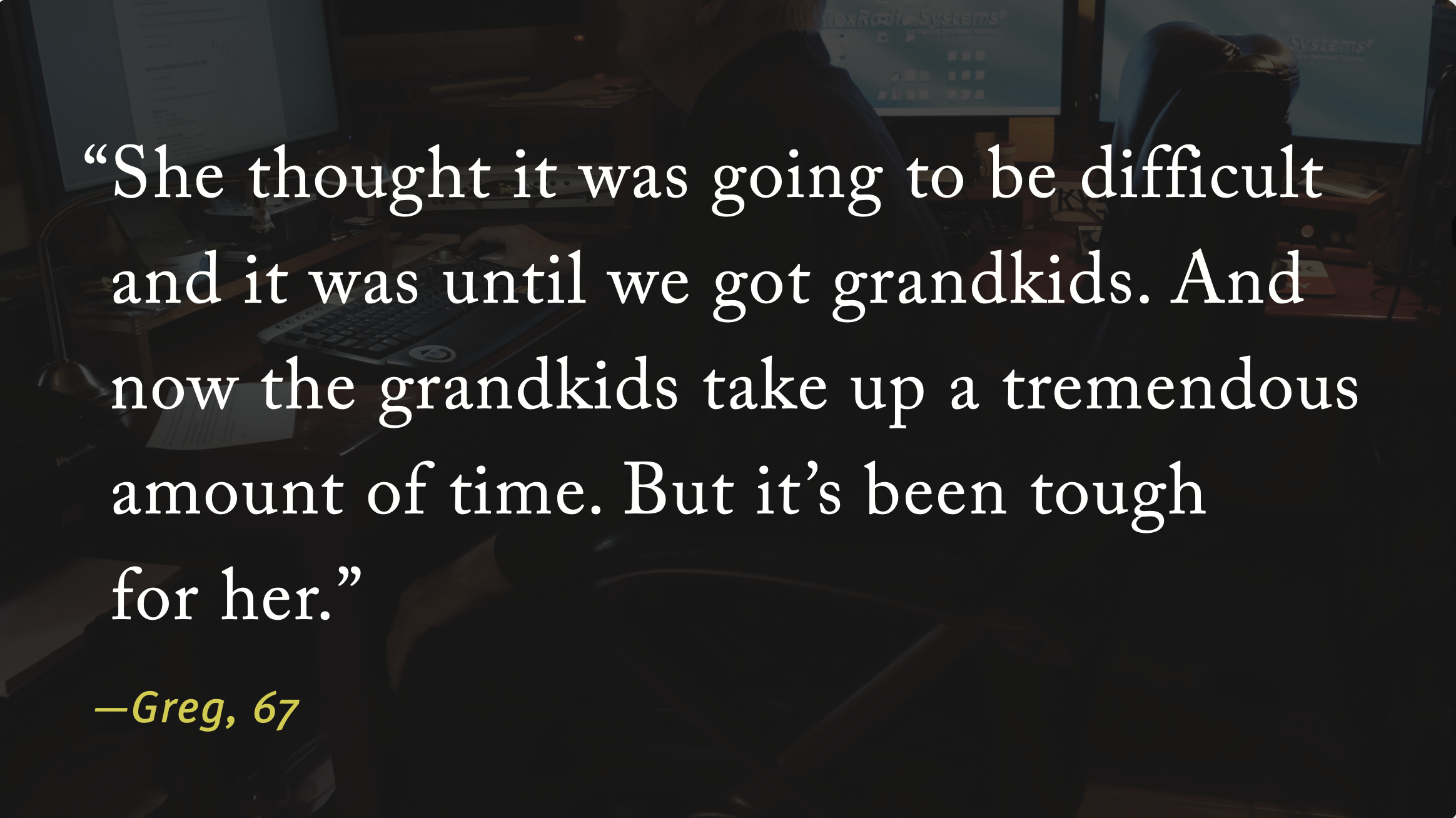
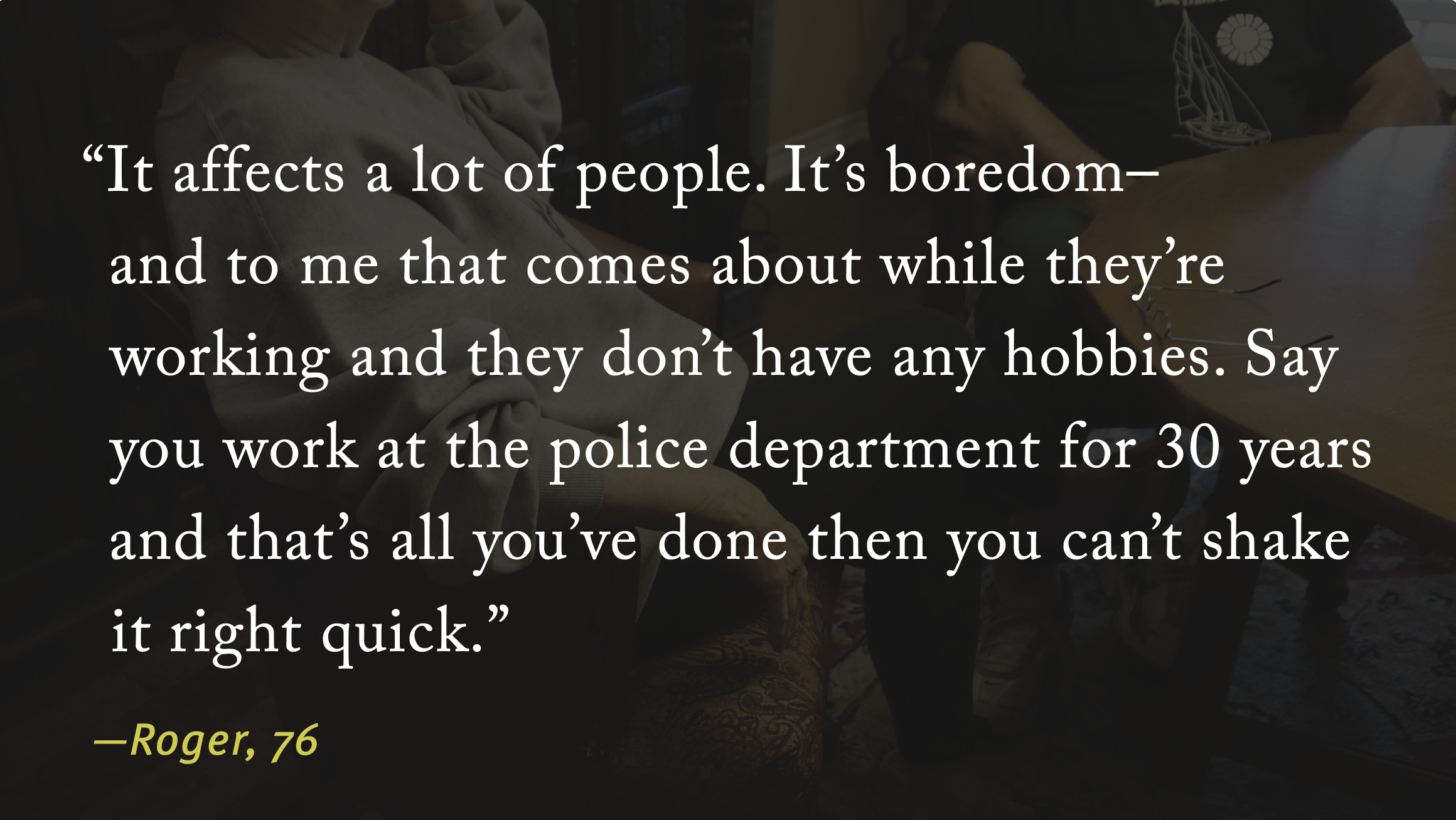
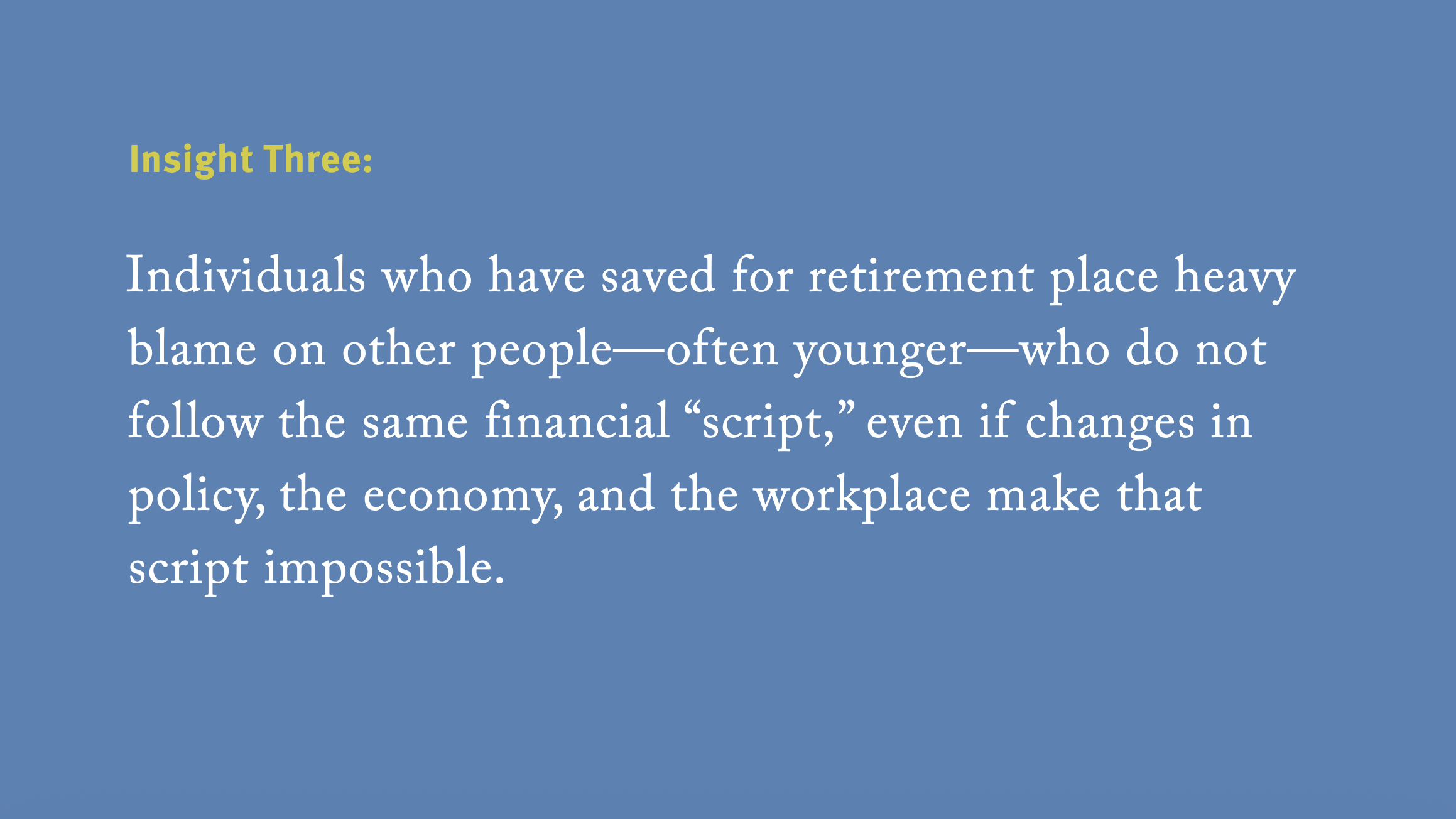
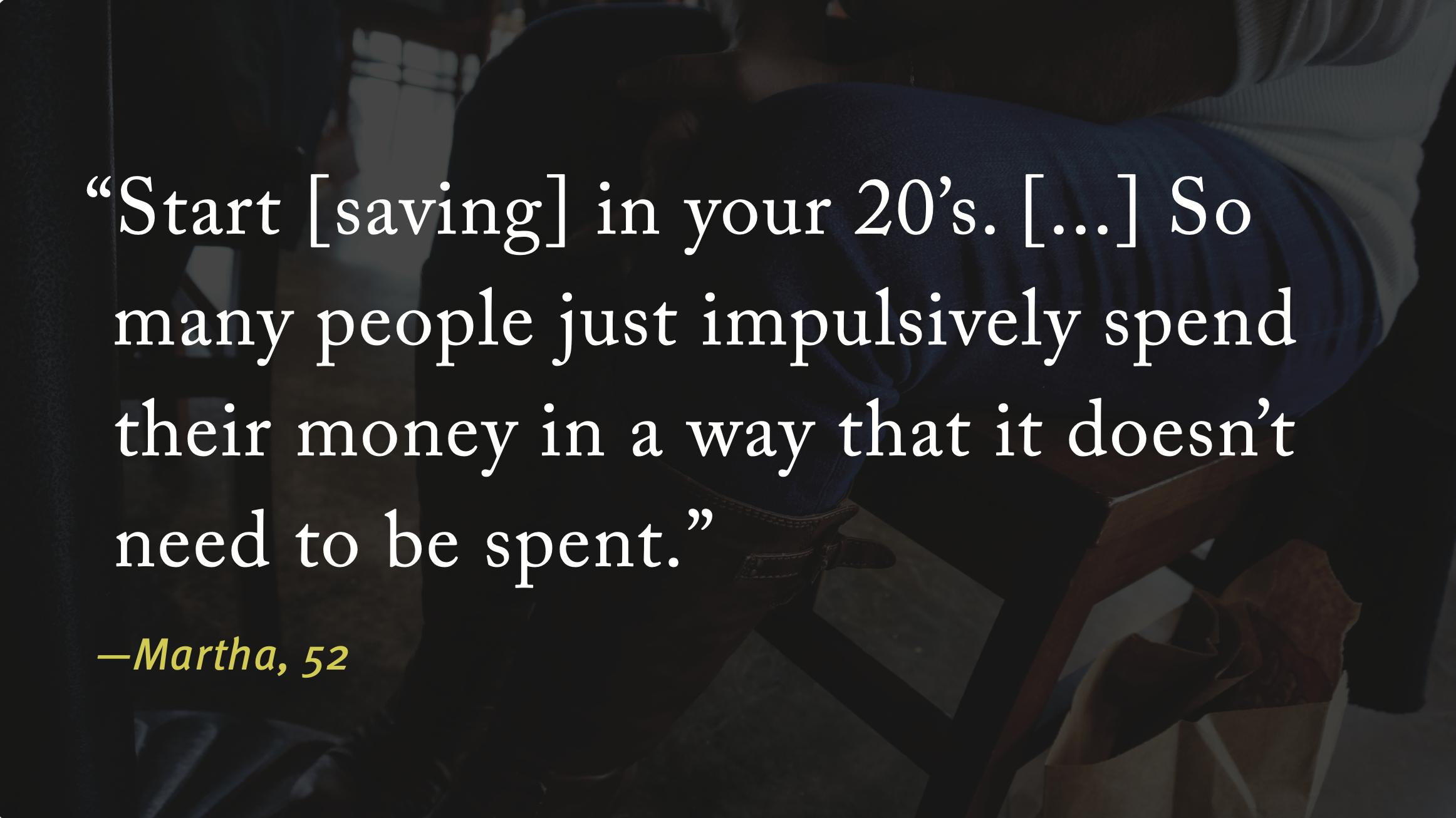
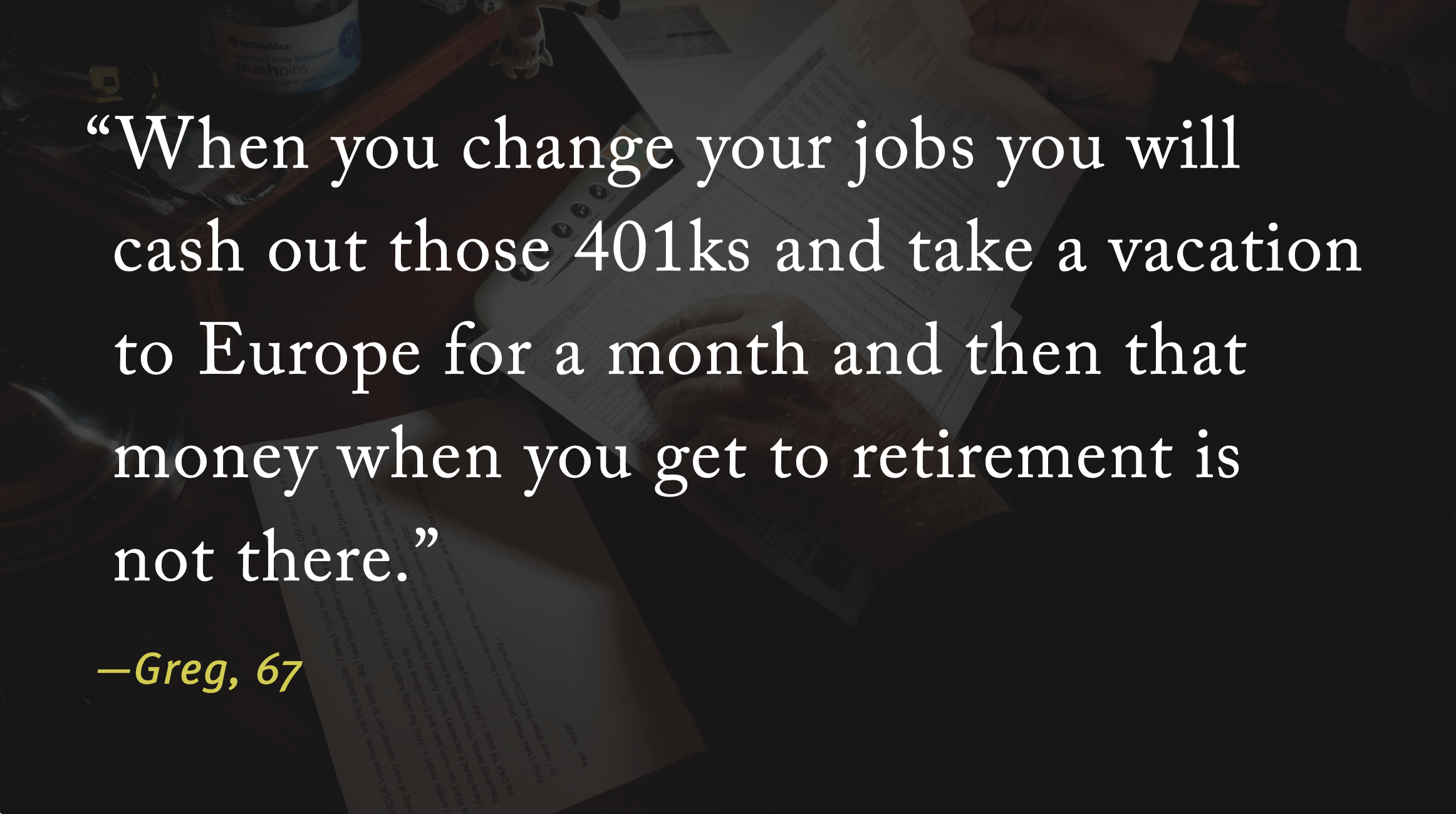
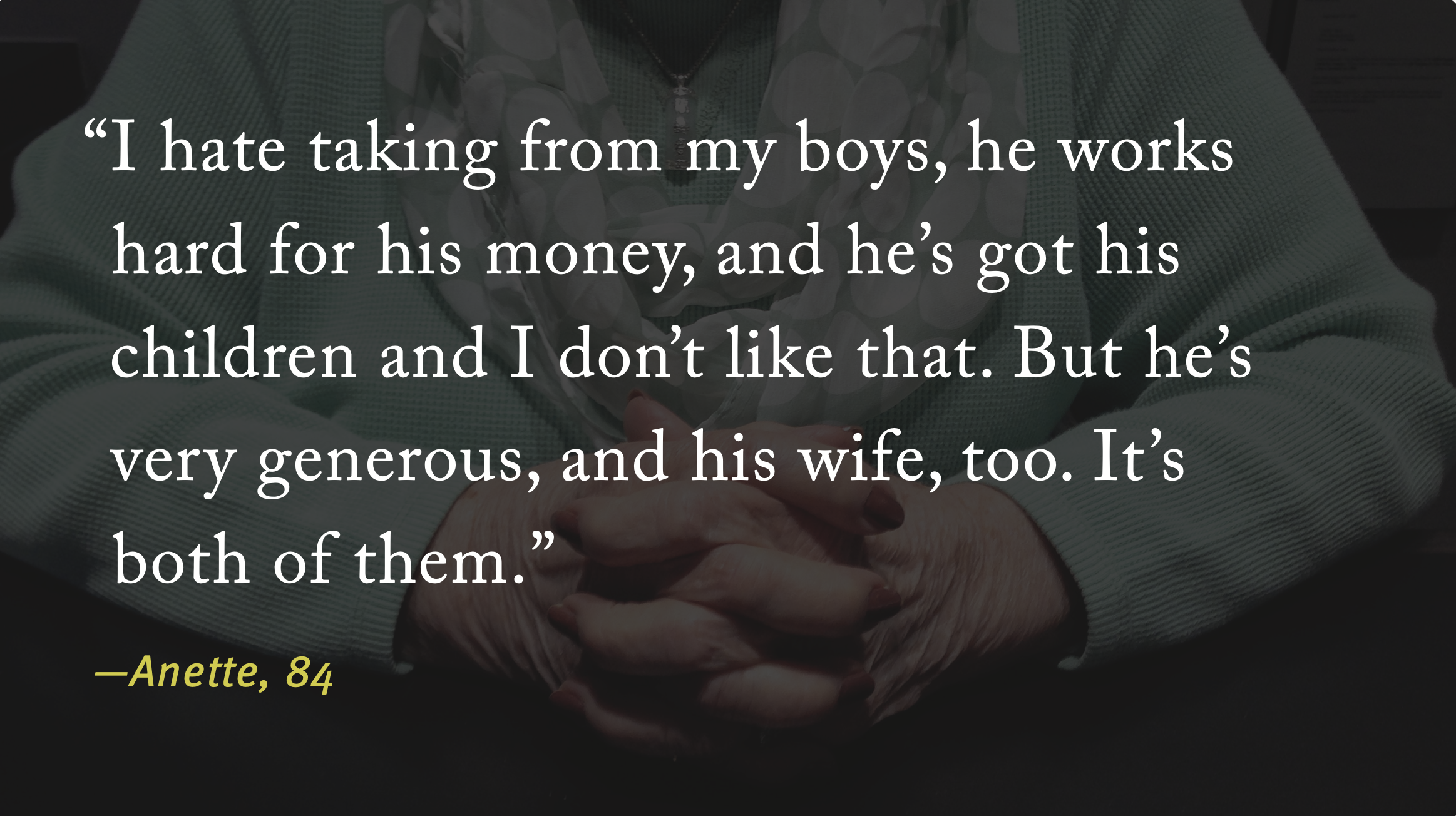
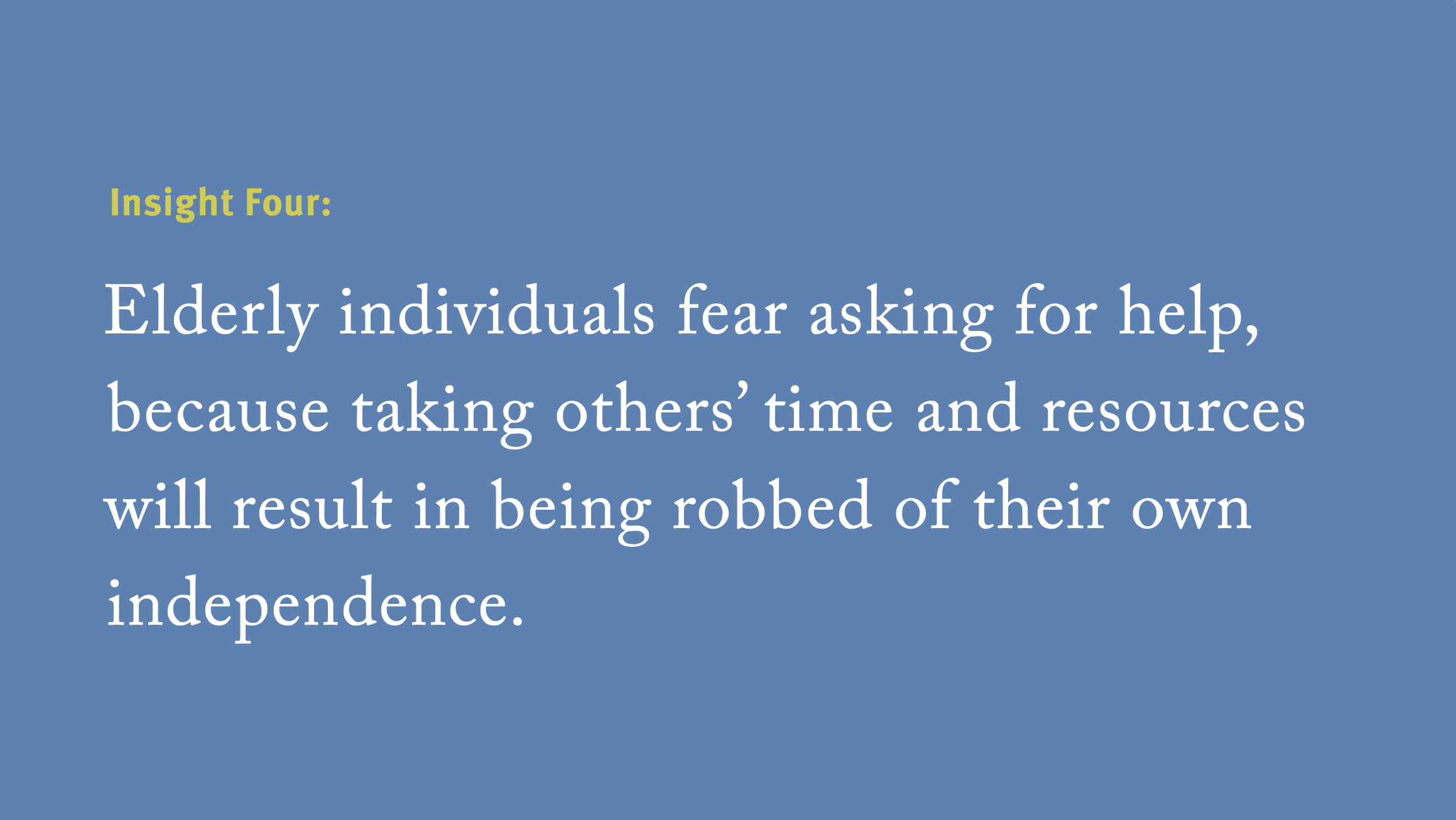
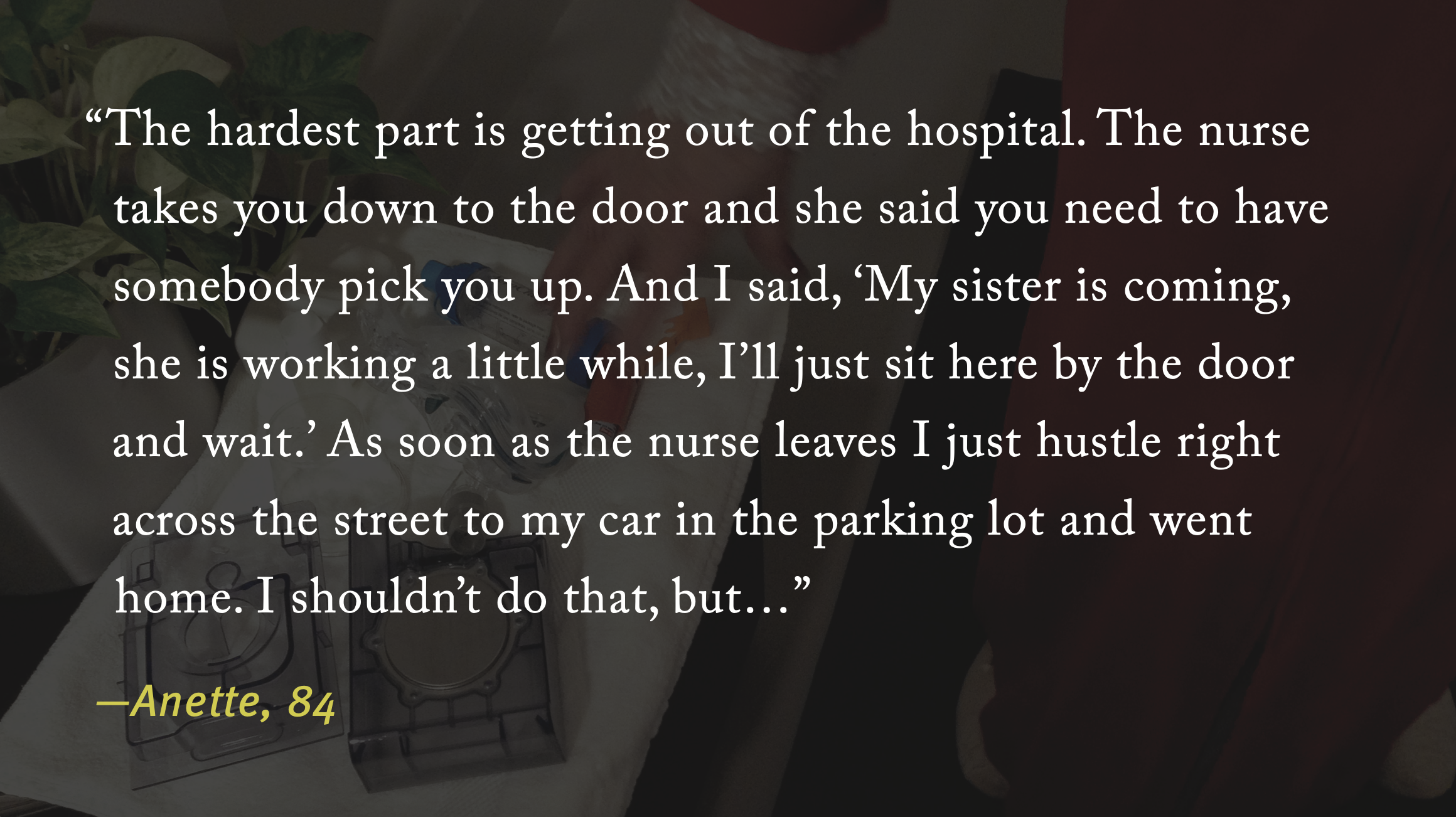
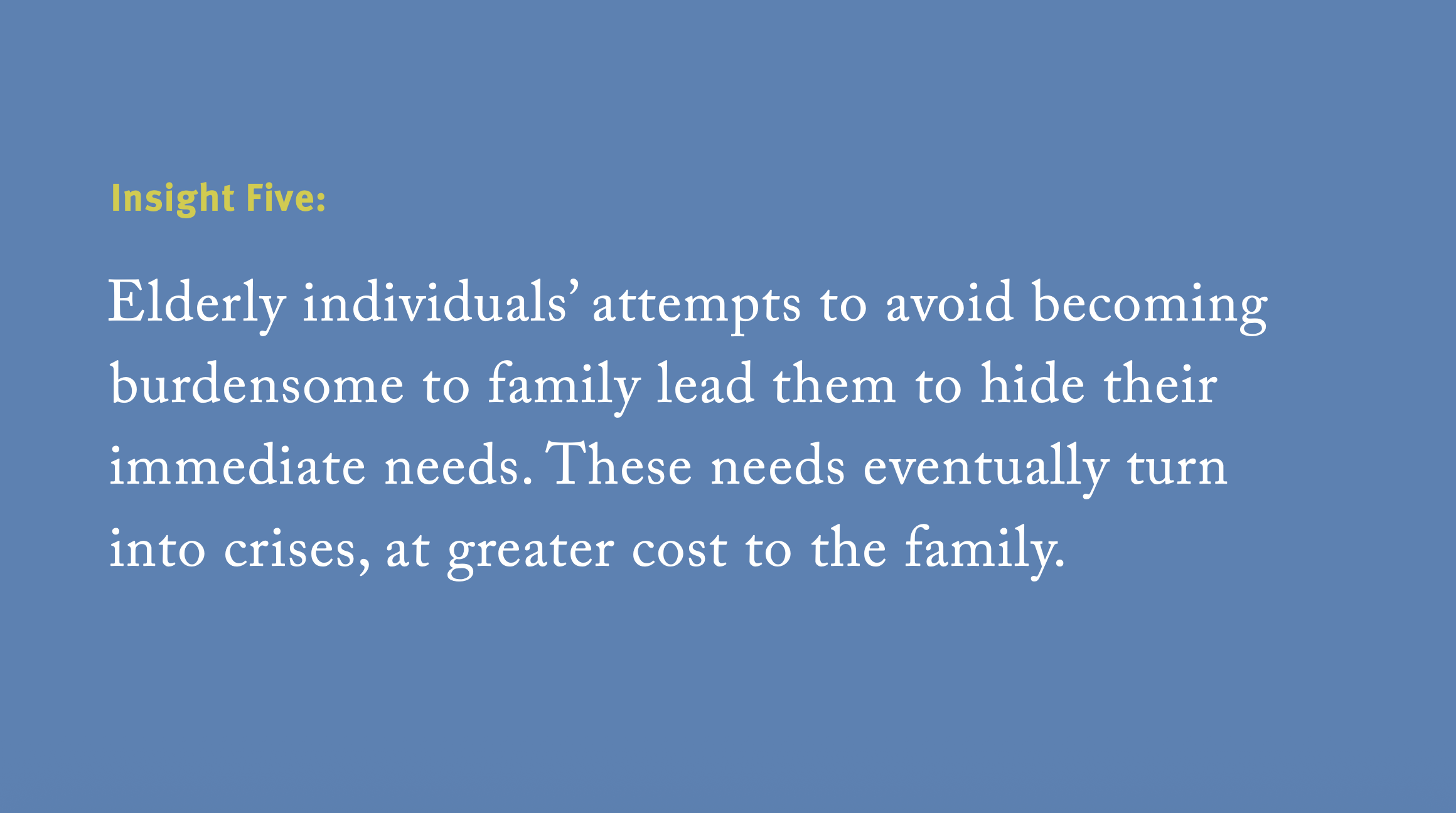
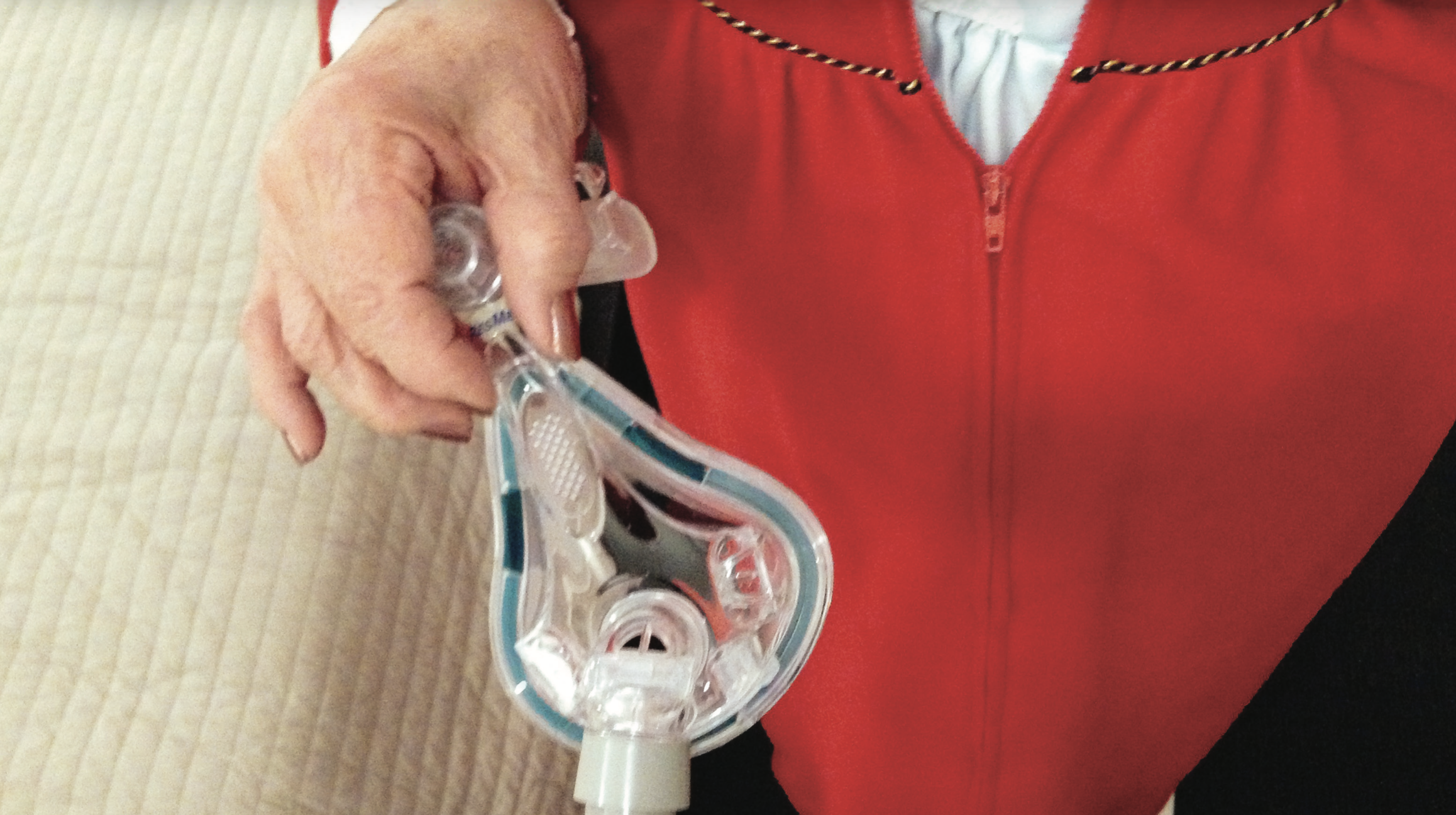
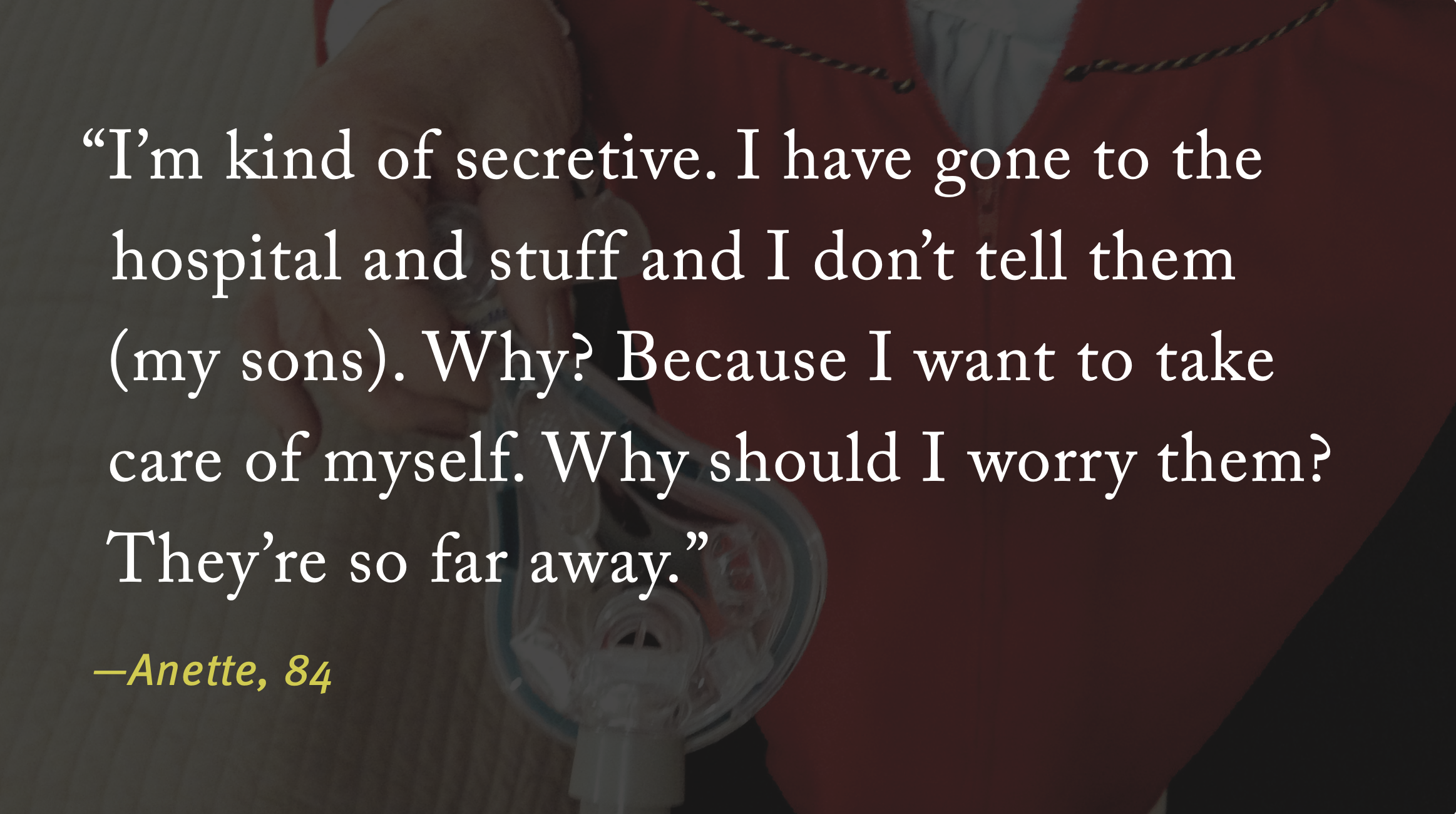
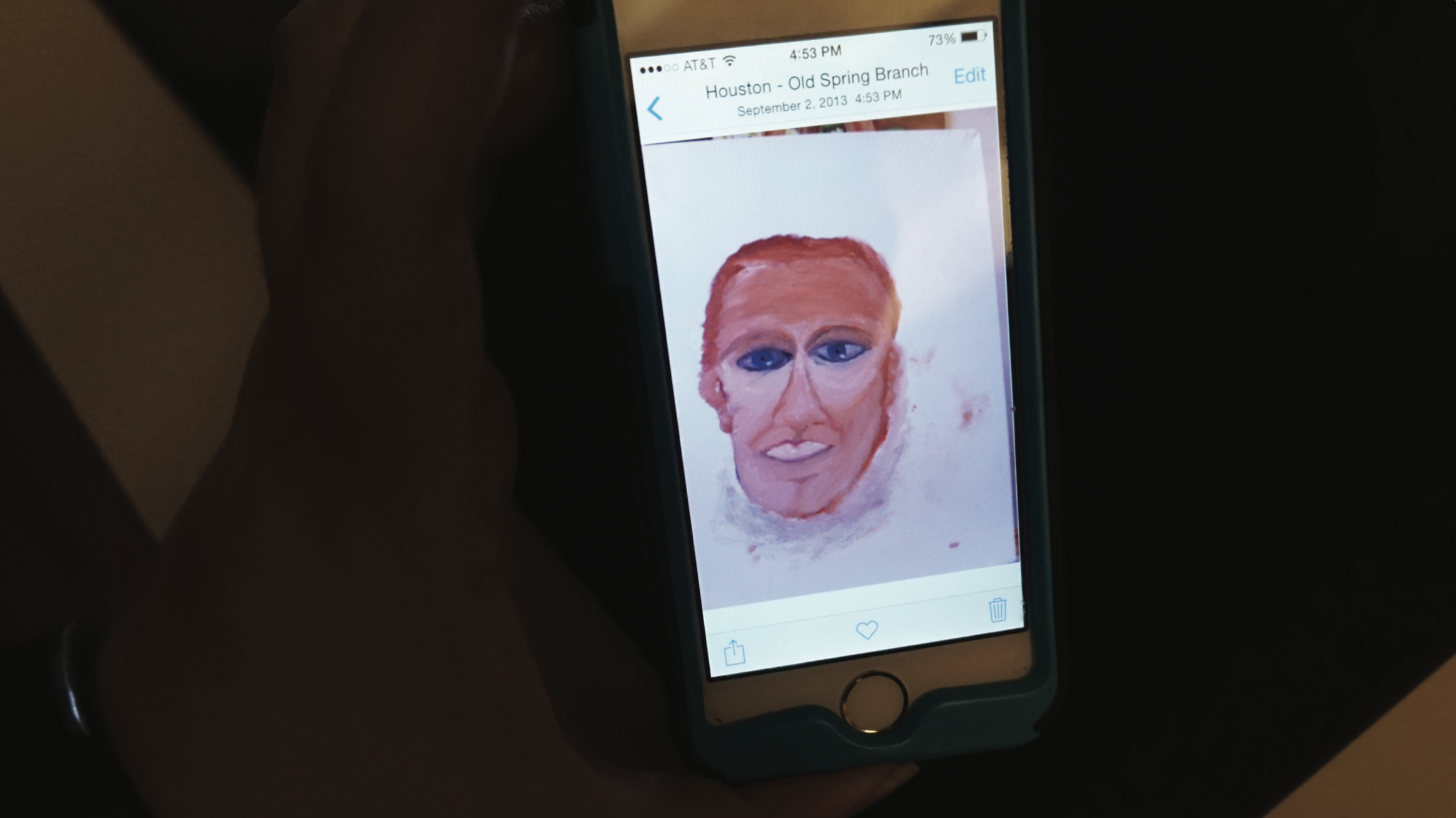
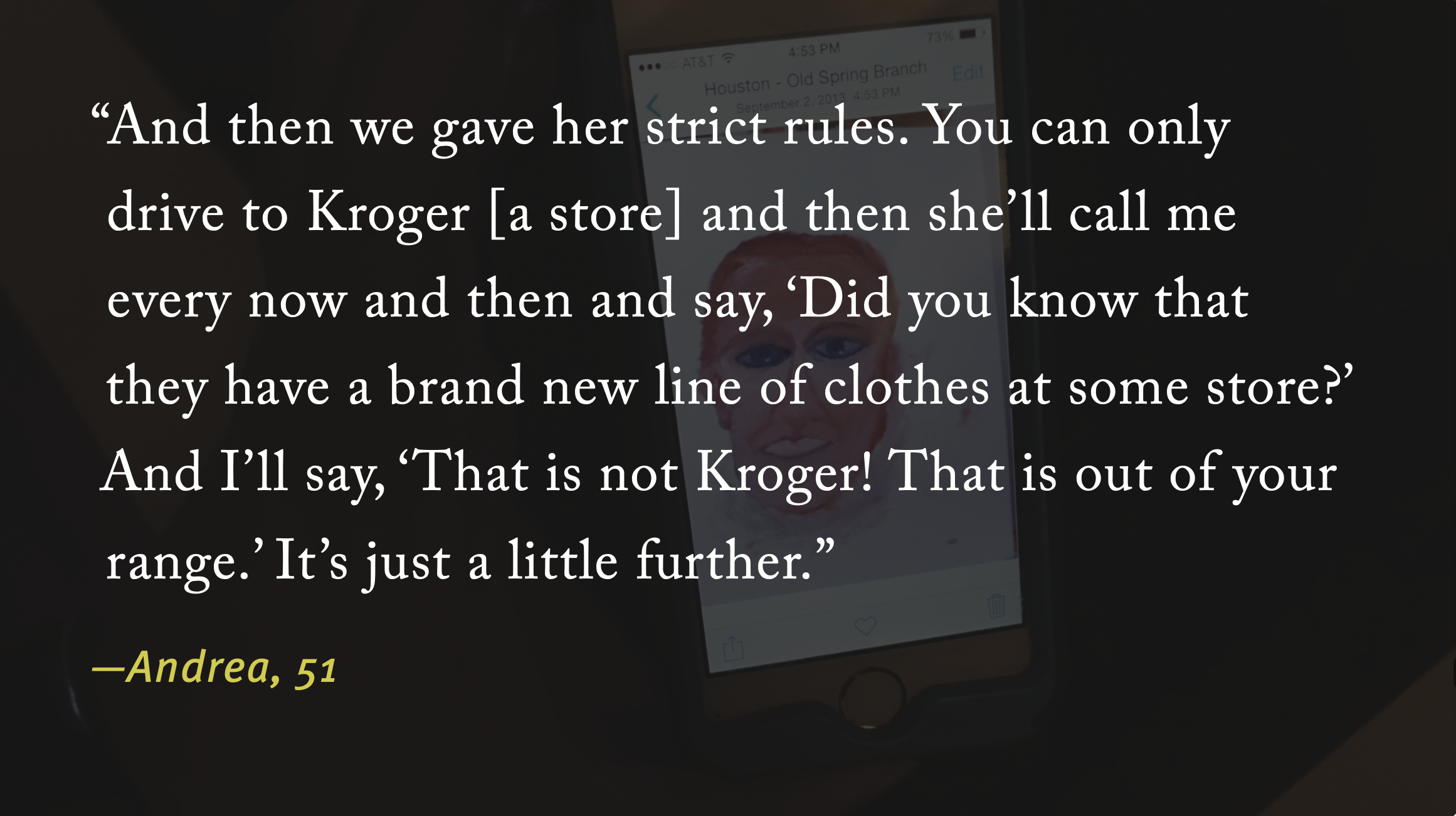
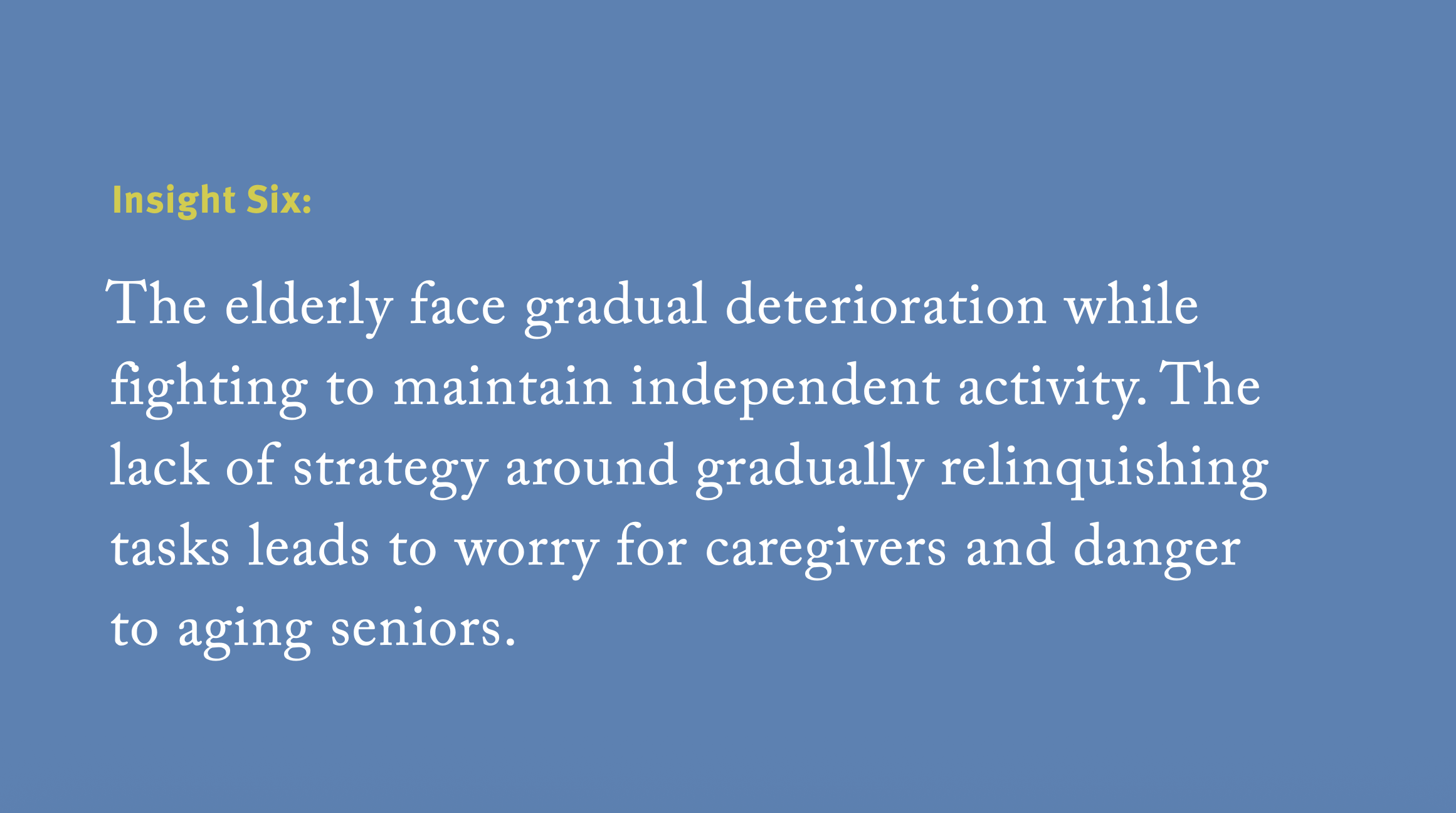
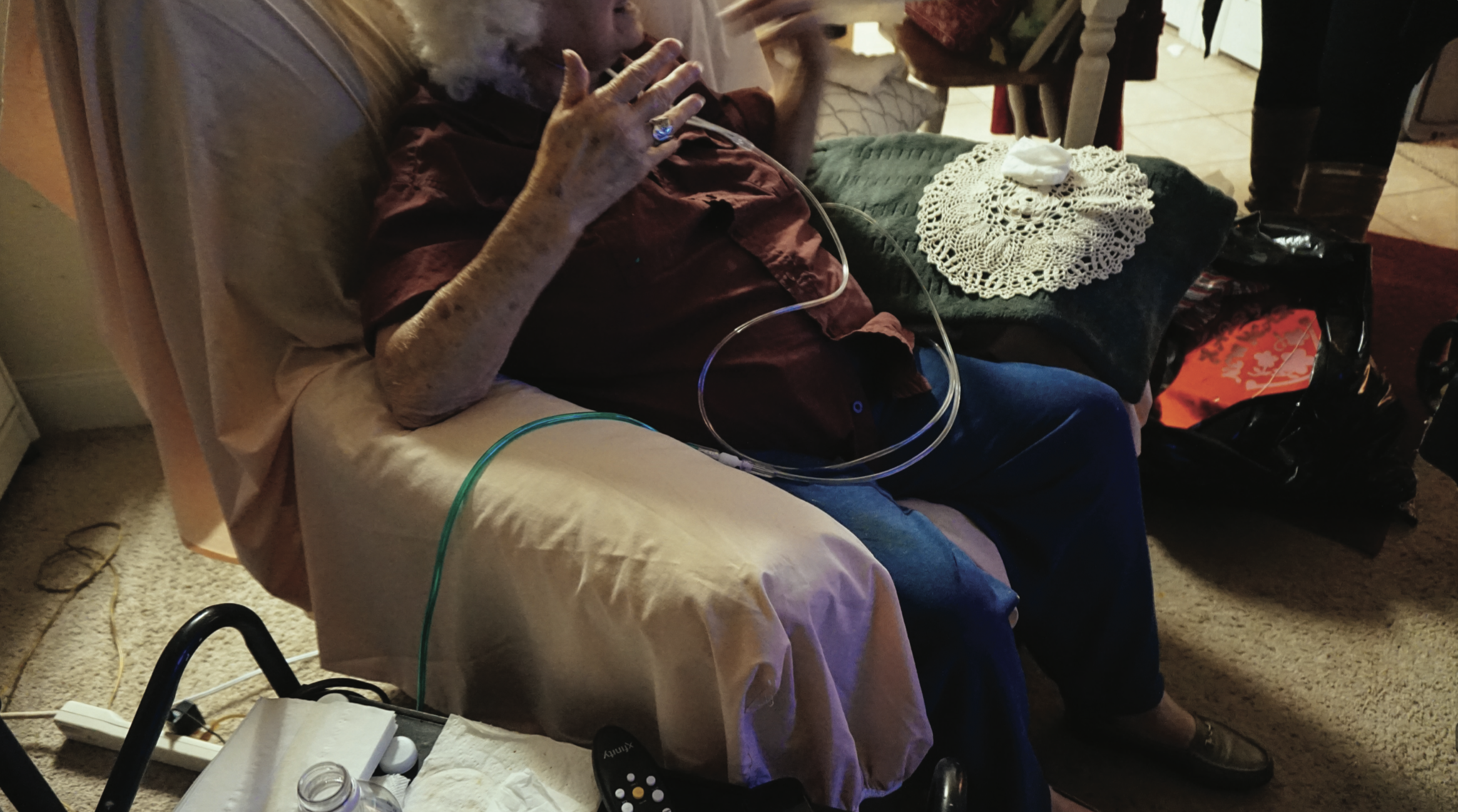
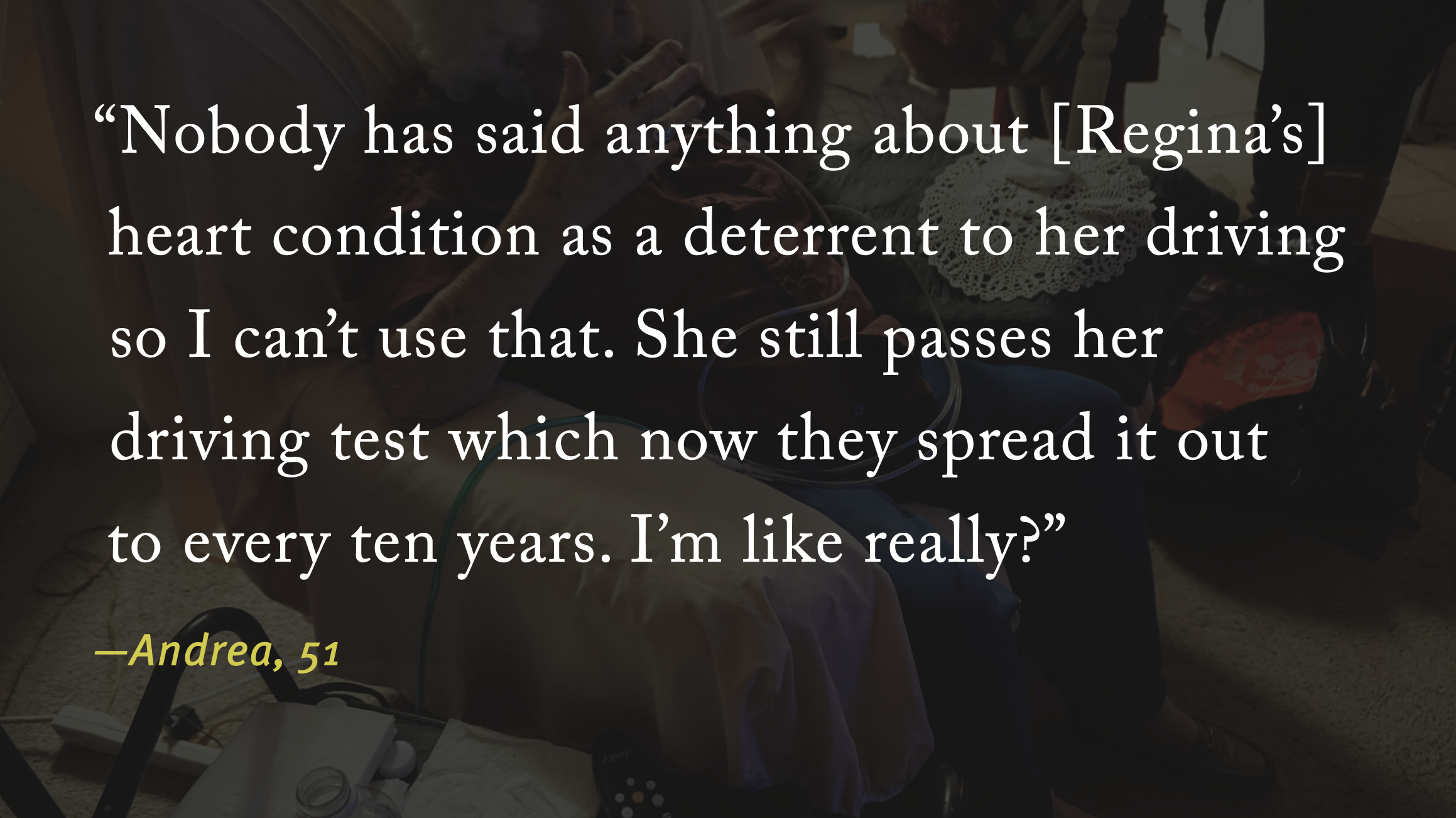
Six insights surfaced. Retirement is fundamentally overpromised — the fantasy rarely survives contact with health decline and financial reality. Without structure and social connection, leaving the workforce quietly unravels a person's sense of purpose. Those who saved successfully tend to moralize about those who didn't, often without accounting for the systemic factors that made the traditional financial "script" impossible to follow. Independence is fiercely guarded even when it becomes dangerous — elderly participants described hiding hospitalizations and refusing help to avoid feeling like a burden. That avoidance compounds into crises that ultimately cost families more. And there's no agreed-upon strategy for gradually relinquishing tasks like driving or managing finances, leaving caregivers anxious and seniors at risk.
Design Implications
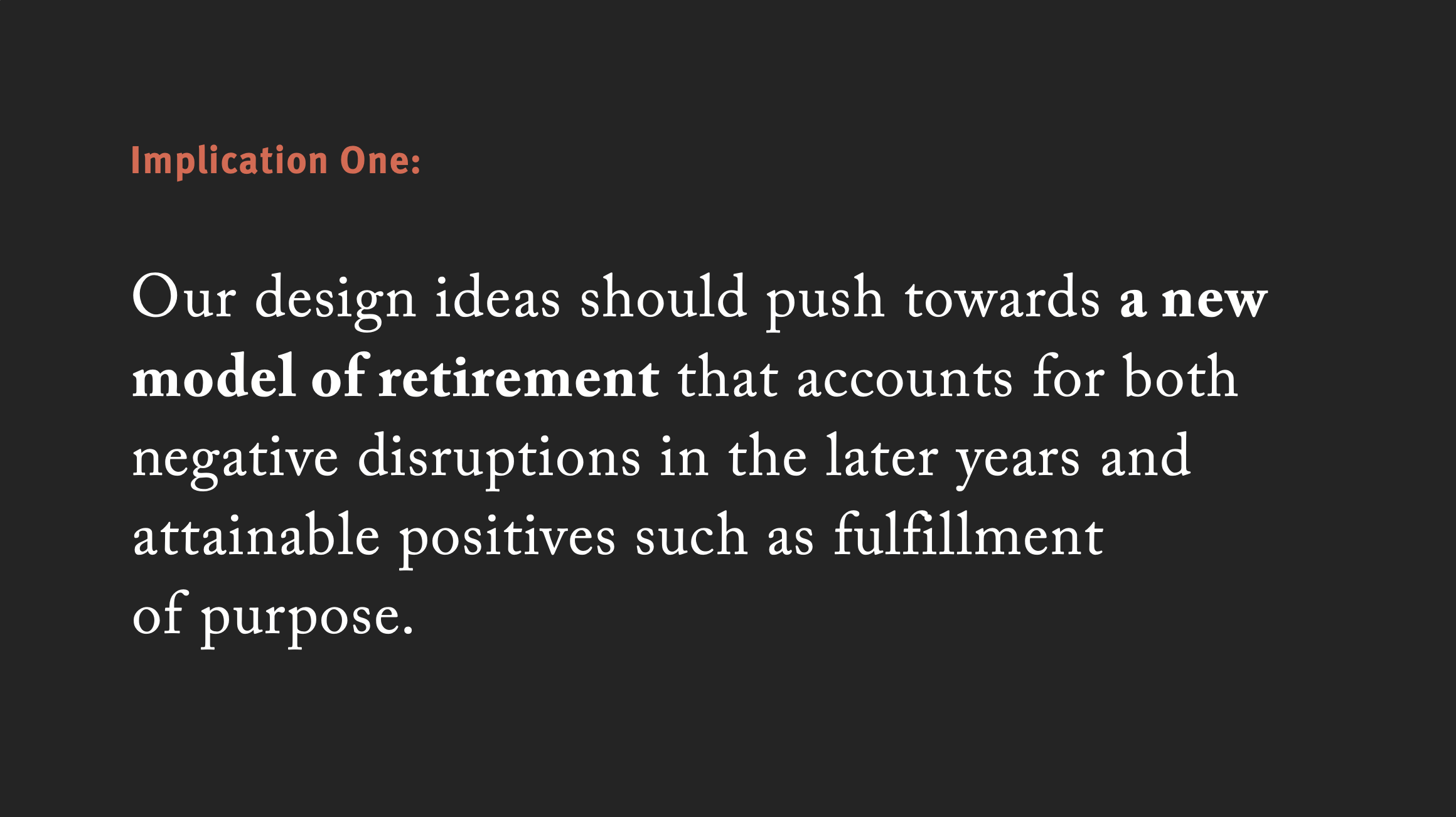
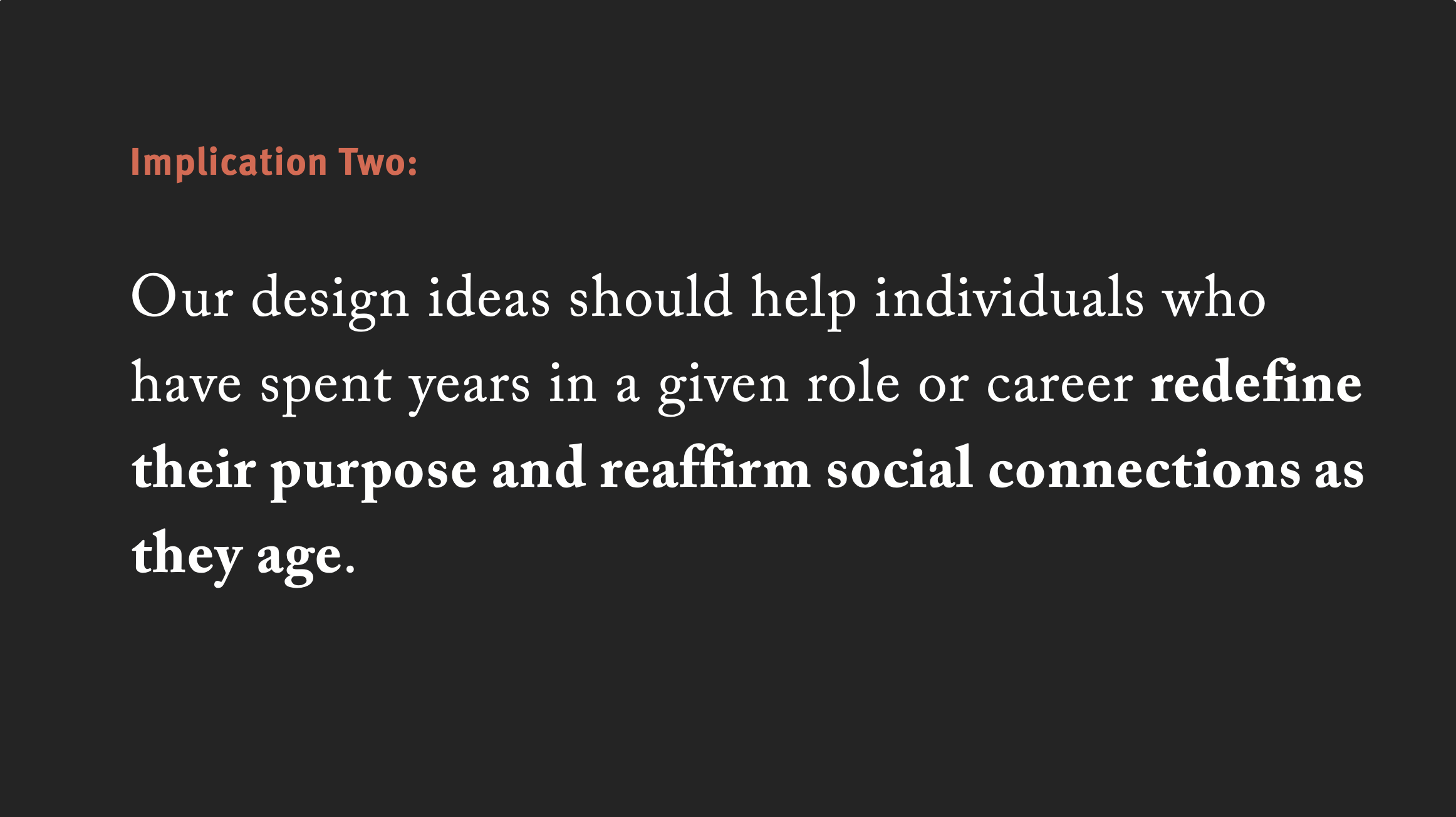
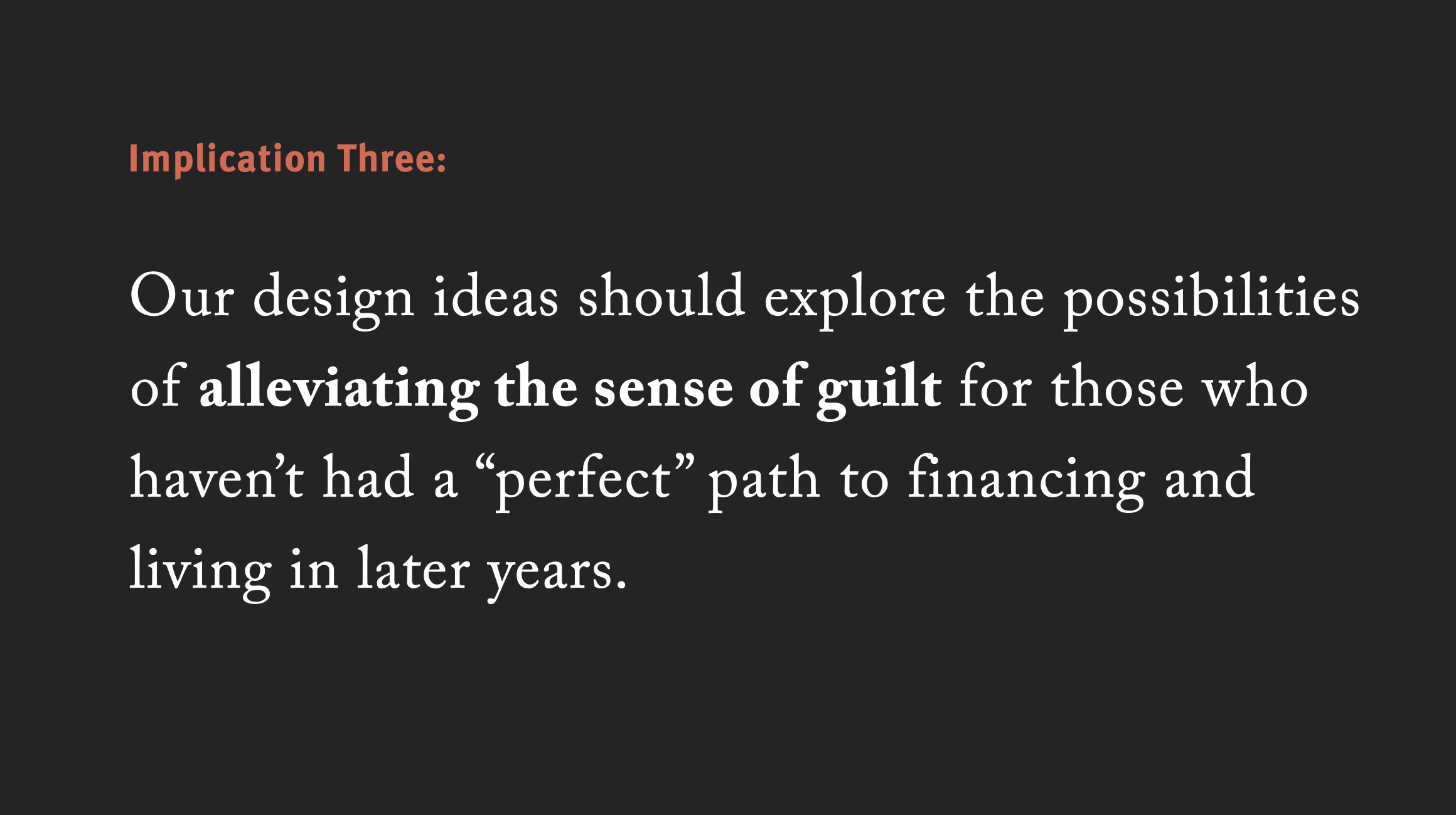
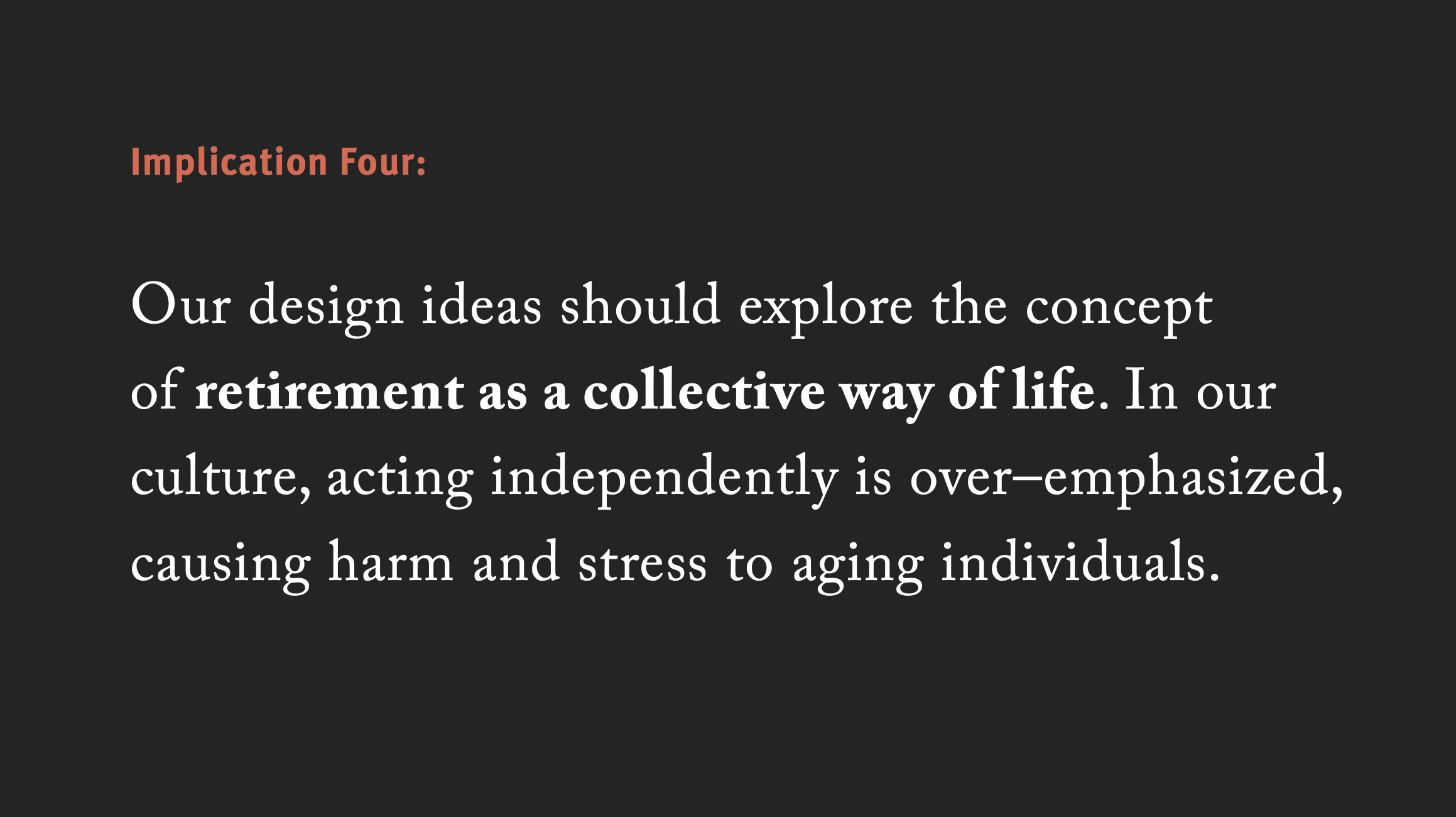
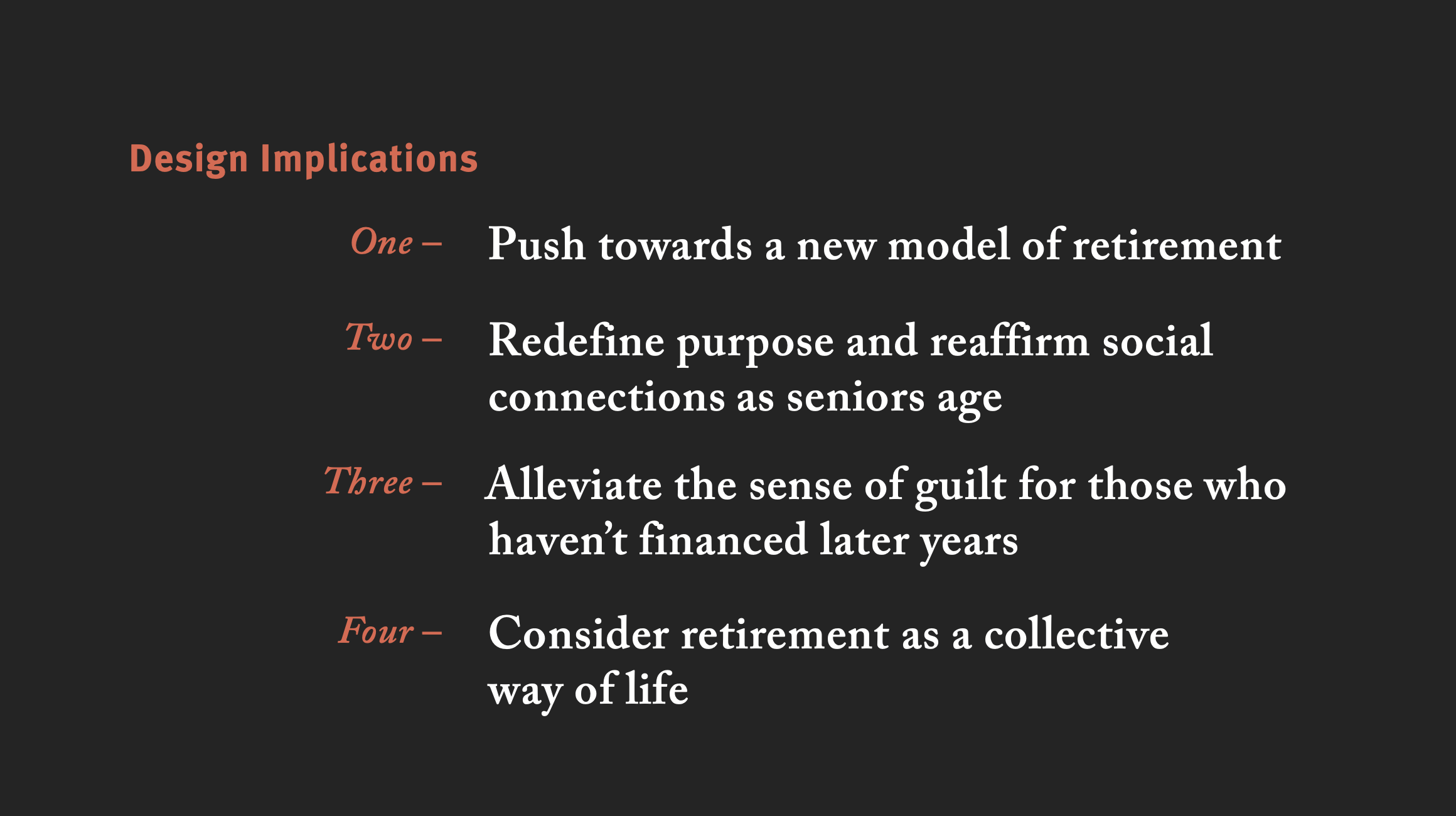
The research pointed toward four directions: reframing what a fulfilling later life can look like; helping people rebuild purpose and connection after leaving their careers; addressing the guilt around financial paths that didn't go as planned; and shifting the cultural emphasis from independence toward a more collective model of aging — where asking for help isn't failure.